
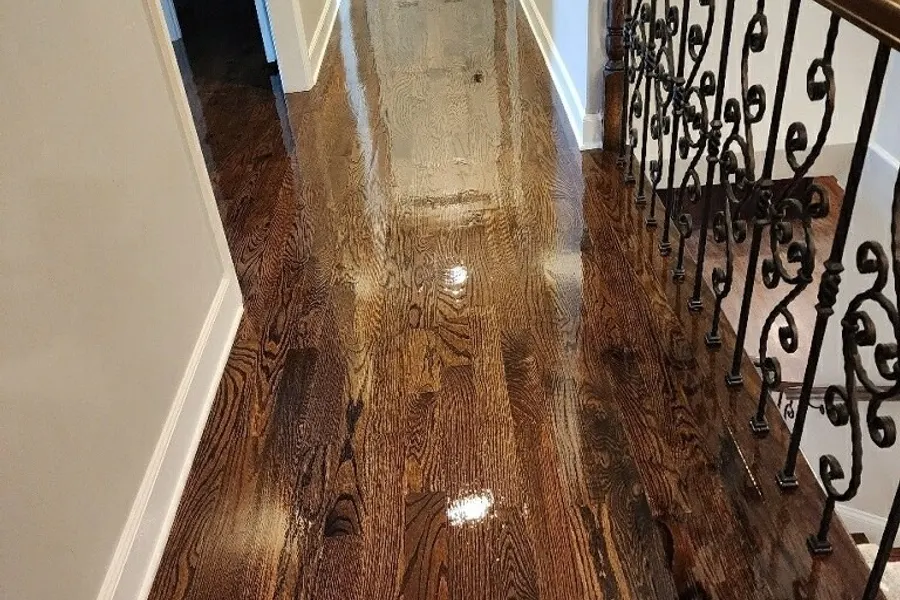
Flooring Installation in Douglasville, GA
Douglasville is the biggest market inside twenty minutes of the shop, and it is still growing west along the I-20 corridor. The local-pack incumbents here are unusually weak — the top-ranked painter in town has no website at all.
Douglas County · about 18 minutes from our Powder Springs shop
Flooring Installation for Douglasville homes
Large 1990s-2010s subdivisions on generous lots, plus older housing around the historic downtown. Volume exterior repaints and deck work dominate; the newer Chapel Hill stock is reaching its first serious repaint cycle.
Areas we work in Douglasville
- Chapel Hill
- Arbor Place
- Bright Star
- Fairplay
- Dorsett Shoals
Near Arbor Place Mall, Hunter Memorial Park, Historic O’Neal Plaza and across the rest of Douglasville.
Flooring Installation on Douglasville houses
Douglasville flooring work is mostly in the large 1990s-through-2010s subdivisions on generous lots around Chapel Hill, Arbor Place and Bright Star, where the builder carpet is wearing out over a plywood subfloor and the Chapel Hill stock is only now reaching its first replacement. What changes the job here is scale and the open plans: two-story foyers, big great rooms and long sightlines mean the new floor runs unbroken across a lot of ground, so flatness and a consistent layout matter more than in a small room. Under the carpet is subfloor, not hardwood, so this is a replacement decision. The real question is which material, and how to keep a long run flat and square from the foyer through the great room.
What usually gets missed
The thing that goes wrong in these open plans is layout and flatness over distance. A long run of plank started out of square drifts visibly by the far wall, and a subfloor that is not flattened leaves waves and hollows that show across a wide great-room floor and crack tile grout. The other miss is the transitions where one open floor meets the kitchen, the stairs and the next room: get the heights wrong and there is a trip edge and a door that will not clear. Both come from treating a big open floor like a sequence of small rooms.
On a Douglasville job we check
- Flatten the subfloor across long open runs before laying plank or tile
- Set the first-row layout square so it stays true to the far wall
- Plan heights where the floor meets kitchen, stairs and other rooms
What the job actually involves
A floor is only as good as what it sits on. Most of a flooring job is the part you never see — checking the subfloor for flatness, moisture and movement, and fixing it — because that is what decides whether the finished floor stays flat, quiet and tight instead of cupping, gapping or squeaking in a year or two.
We install laminate, luxury vinyl plank, engineered and solid hardwood, and tile, matched to the room: vinyl or tile over slabs, basements and wet areas, hardwood in conditioned living space, with the underlayment and transitions the material calls for. We do not pair a good floor with the thinnest underlayment to shave the quote, because that is where noise and early wear come from.
How we run a flooring installation job in Douglasville
- 1
Pull back a corner and see what is really there
Before anything is ordered we lift a corner of the existing carpet or flooring to see the subfloor, the height against the next room, and whether the house is on a slab or a crawlspace. What is under the floor, not the sample in the showroom, decides what can go down and what prep it needs.
- 2
Test for moisture and check the subfloor
Slabs and crawlspace subfloors are checked for moisture before any wood or vinyl is committed, because flooring laid over a wet base fails no matter how well it is installed. We also check the subfloor for flatness and for loose, soft or squeaking spots, and note the height difference into every adjoining room.
- 3
Fix and flatten the subfloor
High and low spots are ground down or filled with leveling compound, loose panels are refastened to the joists, and soft or water-damaged decking is cut out and replaced. On a crawlspace house a ground vapor barrier is part of keeping the new floor dry. This step is skipped on cheap jobs and is the reason they fail.
- 4
Acclimate the material
Wood and some vinyl are brought into the actual rooms and left to reach the home humidity before a board goes down. In a Georgia summer that matters: material installed straight off the truck swells or shrinks to the room later and opens gaps or buckles. We measure it rather than guess.
- 5
Lay the floor and handle transitions
The floor goes down by the method the material calls for — nail, glue, or floating click — with the right underlayment under it. Thresholds and transitions into tile, other rooms and stair nosings are cut so there is no trip edge, and doors are undercut so they still swing.
- 6
Trim, clean and walk it
Shoe molding or base is set to cover the expansion gap, seams and transitions are checked, and the floor is cleaned. We walk it with you in good light, looking for lifted edges, hollow spots and anything that catches, and work a punch list before it is closed out.
What moves the price
We will not quote Douglasville blind over the phone — these are the things we look at on site that decide the number.
- What is under the existing floor. Carpet over sound plywood pulls up easily; tile or glued vinyl, or a bad subfloor found underneath, adds removal and prep that a showroom quote never includes.
- Material class. Laminate and vinyl plank sit at the low end, engineered hardwood and tile in the middle, and solid site-finished hardwood or natural stone at the top.
- Subfloor repair and leveling. Grinding high spots, filling low ones, replacing soft decking, or adding a crawlspace vapor barrier is priced once the old floor is up.
- Slab versus crawlspace. A slab limits solid hardwood and may need moisture control; a crawlspace can need subfloor and vapor work before new flooring goes down.
- Square footage, and how cut-up the space is. Closets, angles, stairs and lots of doorways slow a job and add transitions and waste.
- Stairs, patterns and transitions. Stair treads, diagonal or herringbone tile, and tying several finishes together at thresholds all add labor over a plain straight-lay field.
From a flooring installation customer
“As an interior designer, my focus is quality of work for my clients. … I especially appreciate suggestions for a course correction on my plan that resulted not only in cost savings but in a much more pleasing and functional result.”
Interior design partnership
Want a real number for your Douglasville flooring installation job?
The only way to price it honestly is to see it. We come out, walk the job and put it in writing — free, and with no obligation to book.
Call and we answer 24/7. Forms sent during the day get a call back the same day.
Flooring Installation in Douglasville — questions we get asked
- What is the most important part of a flooring job?
- The subfloor. A floor fails from underneath — a lump telegraphs through vinyl, a low spot leaves a hollow that cracks tile grout, and a wet slab buckles wood. We spend real time flattening, drying and securing what is under the floor, because the finish only lasts if the base is right.
- Should I replace my old hardwood or refinish it?
- If the existing wood is solid and thick enough to sand, refinishing almost always costs less and lasts longer than covering it with new flooring. We check the boards before you spend money replacing something that only needs sanding and a new finish. Covering good hardwood with vinyl is usually the wrong call.
- Can I put hardwood on a concrete slab?
- Engineered hardwood can go over a slab once it passes a moisture test, because its layered construction handles the moisture concrete gives off. Solid hardwood cannot be fastened to concrete directly; it needs a wood subfloor or sleepers built over the slab first, which raises the floor and adds cost. On a slab, engineered or vinyl is usually the better call.
- Which floor holds up best in Georgia humidity?
- Vinyl plank and tile do not care about humidity and are the safe choice over slabs, in basements and in wet areas. Engineered hardwood is stable enough for most of the house. Solid hardwood is fine in conditioned rooms over a wood subfloor but moves the most with the seasons, so it needs the acclimation and gaps done right.
- How long does new flooring take?
- A single room is often a day or two. A main level is usually several days, more if the old floor fights coming up, the subfloor needs repair, or wood has to acclimate first. Tile adds time for mortar and grout to cure. We give you a schedule after we see what is under the existing floor.
Planning flooring installation? Start here
- Which flooring trends are worth it — and the catch underneath The trends worth following, and why every one of them still answers to the subfloor underneath.
- Pulling up carpet? Check for the oak floor underneath first Why carpet is coming out, the hardwood that is often hiding under it, and what to lay down when there is none.
- Modern remodeling that won't date in five years Making a house feel current is easy; making it still feel right in fifteen years is the harder trick. The split comes down to function versus fashion.
More in Douglasville
Douglas County housing, neighborhoods and what we do there.
Painting & remodeling in Douglasville →Other work in Douglasville
- Interior Painting in Douglasville
- Exterior Painting in Douglasville
- Cabinet Painting & Refinishing in Douglasville
- Deck & Fence Staining in Douglasville
- Commercial Painting in Douglasville
- Drywall Repair & Patching in Douglasville
- Kitchen Remodeling in Douglasville
- Bathroom Remodeling in Douglasville
- Basement Finishing in Douglasville
- Deck & Porch Building in Douglasville
- Siding Replacement in Douglasville
Prefer to talk it through? Dan picks up.
(470) 419-0922