
Pulling up carpet? Check for the oak floor underneath first
Why carpet is coming out, the hardwood that is often hiding under it, and what to lay down when there is none.
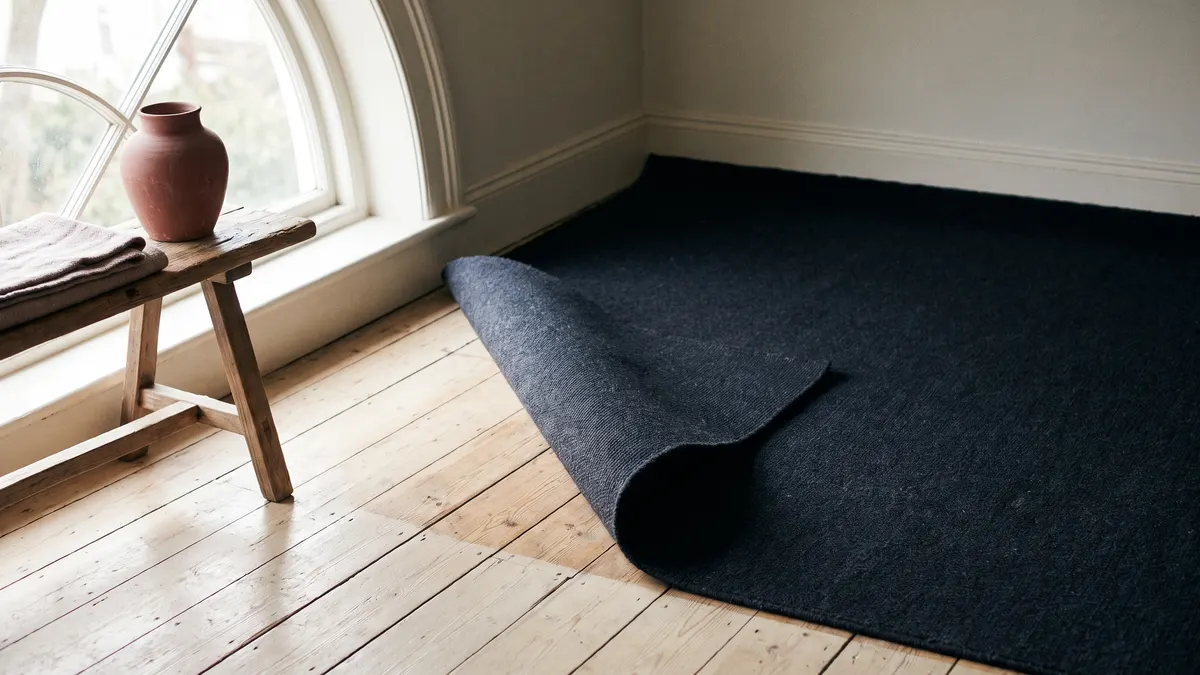
Before you replace worn carpet with new flooring, pull a corner up in a closet and look — a lot of Smyrna and Marietta mid-century homes have original oak under the carpet that only needs refinishing, not replacing. Where there is no wood, hard-surface flooring like luxury vinyl plank is what most people put down in place of carpet, because it is easier to keep clean and holds up better in busy rooms. The usual reason to pull carpet is allergens and wear; the frequent surprise is a hardwood floor worth saving underneath it.
Planning flooring installation in west metro Atlanta? Get a free written estimate.
Why carpet keeps coming out
Carpet has real downsides that wear on people over time. It traps dust, pet dander and pollen, which matters in an allergy-prone household and in a climate with a long pollen season. It stains, it mats down in the traffic paths, and it dates a room faster than almost any other surface. Hard floors clean with a vacuum and a damp mop, brighten a room, and do not hold onto what settles into them.
Check what is under it first — this is the one that pays
Here is the move worth making before you spend a dollar on new flooring: pull up a corner of the carpet in a closet or a discreet spot and look at the subfloor. A lot of homes built from the 1950s into the 1970s — the mid-century stock all over Smyrna, Marietta and the older Cobb neighborhoods — were built with oak strip floors and carpeted over later, often to cover ordinary wear rather than damage.
If what you find is oak in decent shape, you are looking at a refinishing job, not a replacement, and that changes everything about the budget. The original oak in these houses is typically tight-grained, slow-grown wood that is better than a lot of what you could buy new, and it has been protected under the carpet for years. Sanded and refinished, it comes back as the best floor in the house for a fraction of replacing it.
When the hidden oak is worth saving, and when it is not
Not every floor under the carpet is a prize, so it is an honest assessment. Oak that is sound, still thick enough above the tongue, and only surface-worn is a straightforward refinish. What gives you pause is wood that has been sanded thin by previous owners, boards that are water-black or rotted near a past leak, or deep pet-urine staining that has gone through the grain and will not sand out.
Those sections may need boards replaced and woven in, or in a bad case a new floor in that room. But even a floor that needs some board repair is usually worth saving over tearing out sound wood everywhere else. The waste — and the cost — of replacing a refinishable oak floor is the thing worth avoiding.
If there is no wood, what replaces carpet
Plenty of homes have no hardwood to find — a slab-on-grade house from the 1990s was carpeted straight over the concrete, and there is no oak coming. In that case the common replacement is luxury vinyl plank: waterproof, durable, warmer underfoot than tile, and a convincing wood look at a sensible price, which is why it is what a lot of carpet becomes now. Hardwood is an option where the room and budget suit it, and tile is the move in the wet rooms.
What to expect when the carpet comes up
Pulling carpet is a small demolition of its own. There are tack strips around the edges, hundreds of staples holding the pad, and sometimes a foam pad glued to a slab that leaves residue to clean. Once it is up, the subfloor condition shows — and that is the moment to deal with squeaks and any soft spots while everything is open, before the new floor hides them again.
What is underneath also sets the plan. Oak means refinishing; a plywood subfloor means a new surface goes over it; a concrete slab means waterproof materials and no solid wood. The carpet coming up is really the inspection that tells you which project you actually have.
Questions we get asked
- How do I know if there is hardwood under my carpet?
- Pull up a corner in a closet or an out-of-the-way spot and look. If you see wood strips rather than plywood or concrete, there is a hardwood floor under there. The age and style of the house is a clue too — mid-century homes in the older Cobb neighborhoods were commonly built with oak and carpeted over later.
- Is the floor under the carpet worth refinishing?
- Usually, if it is oak in sound condition — tight boards, enough thickness left, no widespread rot or deep staining. Original mid-century oak is excellent wood and refinishing it costs far less than a new floor. It is only not worth it when the wood is sanded too thin, water-damaged through, or stained past what sanding removes.
- My subfloor is concrete — what does that mean?
- It means there is no hardwood to uncover, and your replacement should be something rated for a slab — luxury vinyl plank or tile — rather than solid wood or carpet. Slabs also pass moisture, so the new floor needs to be moisture-tolerant and, for vinyl, laid over a flat, prepared surface.
- Is luxury vinyl or hardwood better to replace carpet?
- It depends on the room and what is under it. Over a slab or in a wet-prone space, luxury vinyl is the safer, waterproof choice; in a dry room over a wood subfloor, hardwood gives you a longer-lived, refinishable floor. Both beat replacing carpet with more carpet for durability and cleaning.
- Should I keep carpet anywhere?
- It still makes sense in bedrooms, on stairs and in dry bonus rooms where softness and quiet are the point and water never reaches. The rooms to get it out of are the ones near moisture and the high-traffic living areas where it wears and traps allergens fastest.
Reviewed 2026-10-09 by Dan James, WS Painting & Remodeling LLC.