
Replacing windows: full-frame or insert, and what else matters
The full-frame versus insert choice drives the whole job; after that, matching the house and flashing the sill matter more than the brand.
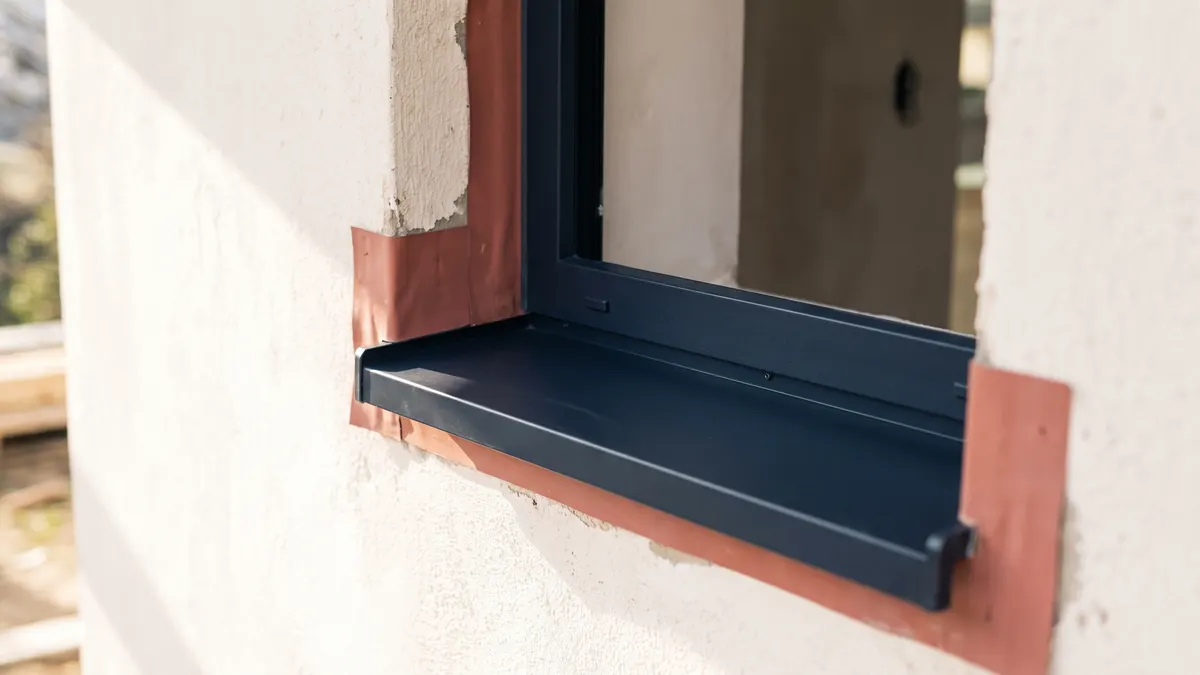
The biggest window-replacement decision is not the brand — it is full-frame versus insert. An insert, or retrofit, drops a new window into the sound existing frame and keeps your trim; a full-frame tears the opening back to the framing and is the only honest choice when the sill or frame is rotted. In west-metro Atlanta, where humidity rots old wood sills and 1990s builder-grade windows lose their seals early, the flashing at the sill decides how long the wall below stays dry — more than the name on the glass.
Planning siding replacement in west metro Atlanta? Get a free written estimate.
Full-frame vs insert: the decision that drives everything
Almost every other choice follows from this one, so it is worth understanding before you look at products. An insert window — also called a retrofit or pocket replacement — fits a new window into your existing frame and trim. It is less work, keeps your interior and exterior trim intact, and costs less, but it only works if the frame and sill it goes into are sound.
A full-frame replacement takes the window out down to the rough opening in the framing, and the new window and its flashing go in from scratch. It is the bigger job, and it is the right one — the only honest one — when the existing frame or sill is rotted, out of square, or was never flashed. Putting an insert into a rotted frame just hides the rot behind a new window, which is the most expensive kind of shortcut.
Matching the window to the house
A window that fits the house disappears into it; one that does not jumps out every time you look. The proportions and the divided-light pattern are what carry that, and they differ by the age of the stock across the west metro.
Older homes near the historic cores have taller, narrower sashes and real divided lights, and swapping in a squat modern unit with no grilles flattens the whole facade. The 1990s subdivision houses have their own proportions — wider units, specific grille patterns on the front elevations — and matching them keeps the street face consistent, especially where the house is brick in front with windows that all read together. The point is to replace what is there in kind, not to impose a different window on an architecture that was not drawn for it.
How materials behave in Georgia
Frame material is a real choice here because the climate leans on it. Humidity, long sun exposure and big temperature swings between seasons all test how a frame holds up and holds its seal.
None of these is a clear winner; they are trades against cost, upkeep and looks.
- Vinyl: low upkeep, no rot, good insulating value, and the common choice — though cheaper units can look bulky and very dark colors can distort in full sun.
- Wood: the look older homes want and fully repairable, but it needs its finish maintained and will rot if water gets to it, which the humidity here makes a live risk.
- Fiberglass: stable and strong, holds up to sun and humidity with little movement, and takes paint — at a higher cost than vinyl.
- Aluminum: strong and slim-framed, but it conducts heat and cold readily, so it is a weaker insulator in this climate unless it is thermally broken.
Why the install outlasts the brand
You can buy an excellent window and still get a bad result, because what fails first is almost never the window — it is the gap around it. The sill pan and the flashing under and behind the window are what route any water that gets past the frame back outside; without them, a slow leak runs down into the wall and rots the framing and siding below the window, out of sight, for years.
The air-sealing matters too. The space between the window and the rough opening should be sealed with appropriate foam or backer and sealant, not stuffed with loose batt and trimmed over, or the window leaks air around its edges no matter how well it is rated. These are the parts you cannot inspect once the trim is back on, which is exactly why the installer is worth more scrutiny than the sticker.
When not to replace yet
Not every window complaint is a whole-house project, and it is worth triaging before committing to one. A single unit that has fogged can sometimes have just its glass replaced rather than the whole window. One drafty window in an otherwise sound set is a repair, not a reason to do the house. A sash that will not stay up needs balances, not a replacement.
Replacing every window at once makes sense when most of them have failed together — seals gone across the house, hardware worn out, frames rotting — which is common when all the windows are the same age and have aged on the same clock. When that is genuinely the case, doing them together is more efficient than one at a time. When it is not, the right call is to replace the windows that actually need it rather than all of them.
Questions we get asked
- Is a full-frame or insert replacement better?
- Neither is better in the abstract — it depends on the opening. An insert is less work and keeps your trim, but only on a sound, square frame. A full-frame is necessary when the sill or frame is rotted, out of square, or was never flashed, because that is the only way to fix what is behind the window.
- Can one fogged window be fixed without a full replacement?
- Sometimes. The fog is a failed insulated-glass seal, and on a sound window the glass unit alone can occasionally be replaced instead of the whole window. Whether that is worth it depends on the window's age and condition — if the rest of it is failing too, a replacement is the better money.
- Vinyl, wood or fiberglass for Georgia windows?
- Vinyl is the low-upkeep, lower-cost default and does well here. Wood suits older homes and is repairable but needs maintenance and can rot in the humidity. Fiberglass is the most stable in sun and humidity at a higher cost. Exposure and how much upkeep you want decide it more than any single ranking.
- Do I have to replace all my windows at once?
- No. Replace all of them together when most have failed on the same clock, which is efficient and common with same-age stock. If only a few are the problem, replacing those is usually the better call — there is no rule that windows have to be done as a set.
- What separates a good window install from a bad one?
- The flashing and the air-sealing around the window, neither of which you can see once the trim is back on. A sill pan and proper flashing keep water out of the wall below; foam-and-sealant air-sealing stops drafts around the frame. A great window installed without these leaks and can rot the wall, so the installer matters more than the brand.
Reviewed 2026-10-09 by Dan James, WS Painting & Remodeling LLC.