
Why bathroom remodels fail: substrate, venting, and demo surprises
Why most failed bathrooms were tiled over the wrong surface or vented wrong, and what turns up when an older bath is opened.
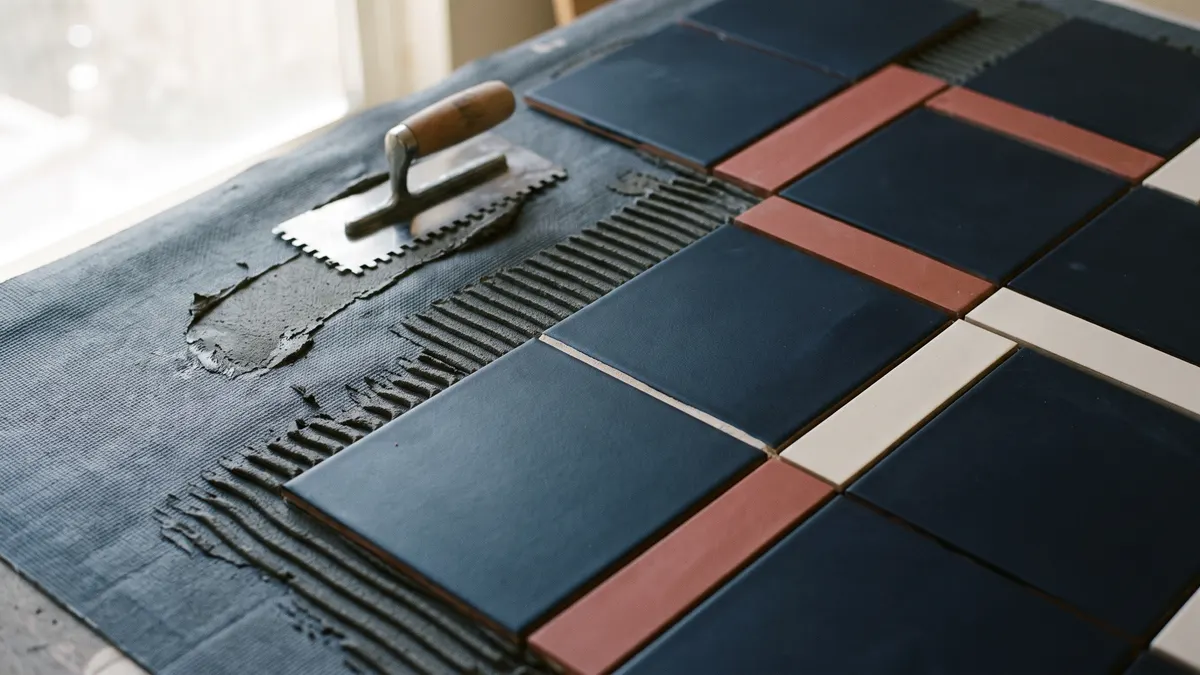
Most bathroom remodels that fail were tiled over the wrong surface — tile set on regular or 'green' drywall in a wet area, or new tile stuck over old, with no waterproofing membrane behind it. The failures that follow are a fan vented into the attic instead of outside, which brings the mildew back, and skipped waterproofing that rots the wall a year later. The surprises come at demo, especially in mid-century Smyrna and Marietta baths: cast-iron drains, galvanized supply lines, and plaster over lath that all cost more to work around than a plan ever shows.
Planning bathroom remodeling in west metro Atlanta? Get a free written estimate.
Tile over the wrong substrate is where bathrooms fail
The single most common reason a bathroom remodel fails is tile set over a surface that was never meant to get wet. Regular drywall behind a shower. The slightly water-resistant 'green' drywall used as if it were waterproof, which it is not. New tile stuck straight over old tile, or over a surface with no waterproofing membrane behind it at all. It looks finished on day one and starts letting go within a year or two.
When the substrate is wrong, the grout cracks, tiles loosen, and water gets into the wall behind them — and by the time you see it on the surface, the damage is already in the framing. The fix is a tear-out and a redo, which is why getting the layer behind the tile right is the whole job.
The fan that vents into the attic
A bathroom fan that runs but vents into the attic instead of outside is one of the most common shortcuts we find. It pulls humidity out of the room and dumps it into the roof structure, where it causes its own problems, and the mildew it was supposed to stop comes right back in the bathroom.
In Georgia humidity, a real exhaust fan ducted to the outside is not optional if you want the finishes to last. A fan that is not vented out is only pretending to work.
Waterproofing that was skipped or faked
Close behind the wrong substrate is waterproofing that was never really done: tile set with mastic instead of thinset in a wet area, a shower pan that was never sloped or flood-tested, caulk used to hide movement that should have been fixed. These save a day during the job and cost a wall a year later. You can sometimes read it from the finished room — grout that cracks only along the inside corners, or a floor that gives slightly at the shower threshold, both point to a waterproofing step that was skipped under the tile.
This is the one place not to shop on price. A quote that is noticeably cheaper than the others has usually left out the invisible waterproofing layer, which is exactly the part you are paying a bathroom remodeler to get right.
Demo surprises in a mid-century bath
Open up a 1950s or 60s bathroom in Smyrna or Marietta and the era shows. Cast-iron drain lines and a cast-iron tub that is heavy and awkward to work around. Galvanized supply lines that have been quietly closing up with corrosion for decades. Plaster over wood lath instead of drywall. Sometimes cloth-wrapped wiring, and a subfloor or sill plate that needs repair before anything new goes in. Galvanized that has closed up shows as weak flow at the fixtures, and with the walls already open it is usually the moment to repipe that bathroom rather than close it back up and regret it.
None of this means the project is in trouble, but it changes the scope once the walls are open, so it belongs in the budget as a cushion from the start. The cost guide covers how much to set aside for what demo tends to turn up.
- Cast-iron tub and drains — heavy and destructive to remove.
- Galvanized supply lines corroding closed.
- Plaster over lath instead of drywall.
- Soft subfloor or sill plate around the old tub and toilet.
The regrets that aren't failures
Not every bathroom regret is a leak. Plenty are just decisions people wish they had made differently: no niche or shelf, so shampoo bottles live on the tub edge. A single sink where the household really needed two. A floor tile that looks good dry and turns slick wet. A vanity or a door that bang into each other because the swing was never checked. A trendy finish that dated fast.
These are cheaper to avoid than to fix. Walking the layout before anything is ordered — where the light falls, where the door swings, where you set things down — catches most of them.
Questions we get asked
- What's the most common reason a bathroom remodel fails?
- Tile set over the wrong substrate — regular or 'green' drywall in a wet area, or tile over tile with no waterproofing membrane behind it. The water gets into the wall, and by the time it shows on the surface the framing is already damaged.
- Can you tile over existing tile?
- Sometimes on a floor, rarely in a wet area without the right prep. What matters is the surface and the waterproofing behind the tile, not the tile you can see. In a shower, the correct call is usually to tear out and redo the substrate properly.
- Where does the bathroom exhaust fan need to vent?
- Outside — never into the attic. A fan that dumps humidity into the roof structure causes problems up there and lets mildew return in the bathroom. In Georgia humidity, venting to the outside is what makes the fan actually work.
- What gets discovered when you demo an older bathroom?
- In mid-century Smyrna and Marietta baths, commonly cast-iron drains and tubs, corroding galvanized supply lines, plaster over lath, and soft subfloor or framing around the tub and toilet. It is normal for the era and belongs in the budget as a cushion.
- How much should I set aside for surprises?
- Keep a cushion beyond the quoted scope, more for an older bath where demo is likely to turn something up. Our cost guide explains a reasonable contingency and what tends to drive it, so the number is sourced rather than guessed.
Reviewed 2026-10-09 by Dan James, WS Painting & Remodeling LLC.