
What happens during a bathroom remodel, step by step
Why a bathroom is built from the water out, how curing and glass set the schedule, and how long the room is out of use.
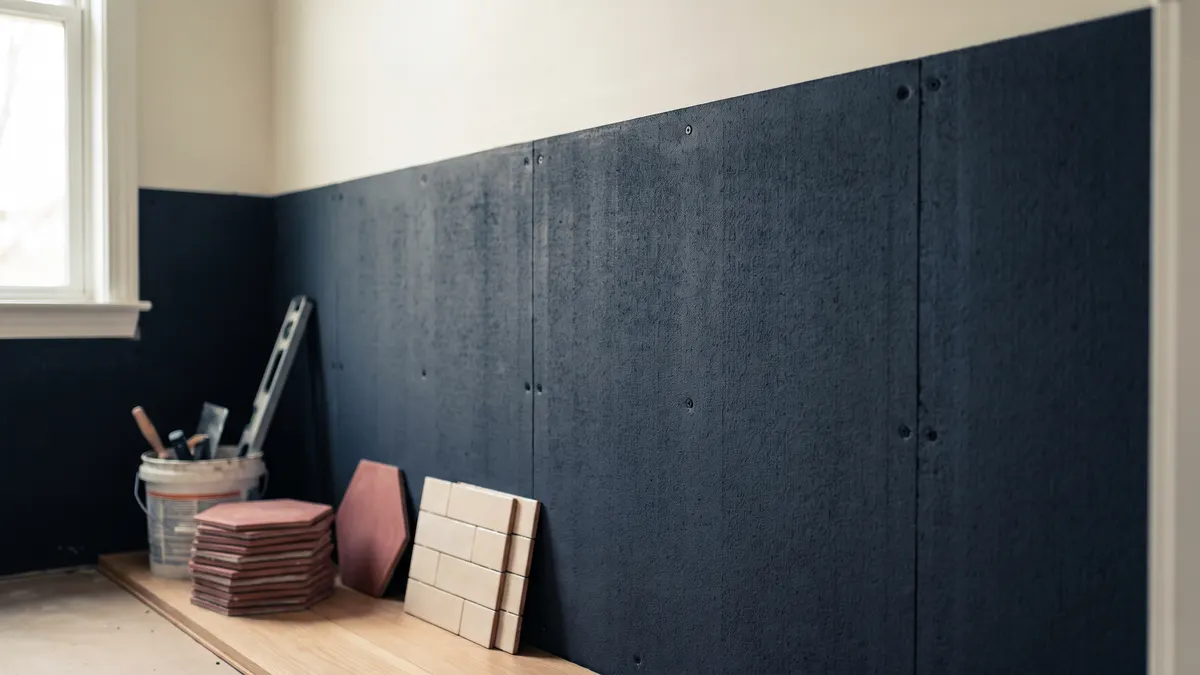
A bathroom remodel is built from the water out: demo to the framing, repair any rot, rough-in the plumbing and fan, then waterproof the wet areas before a single tile goes up. The schedule is set by drying and curing, not by how fast tile can be stuck to a wall — a sloped shower pan is flood-tested, thinset cures before grout, and custom glass is measured only after the tile is finished, which adds a week or two at the end. Expect a standard bath to be out of use for a few weeks, and if it is your only bathroom, say so up front so the work can be sequenced to shorten the gap.
Planning bathroom remodeling in west metro Atlanta? Get a free written estimate.
A bathroom is built from the water out
The visible part of a bathroom — tile, vanity, fixtures — goes in last. The work that matters most happens first and disappears behind the surface: framing repair, plumbing, ventilation and waterproofing. A good remodel is mostly those invisible layers, because they are what keep the finished room from failing.
That is why the schedule is set by drying and curing times, not by how fast tile can be put on a wall. You cannot rush water out of thinset, and you cannot skip the step that keeps water out of the wall.
Demo to the framing, then inspect
Old tile, the tub or shower, the vanity and the flooring come out down to the studs and subfloor. This is the first honest look at the condition of the room. In Georgia humidity, rot around old tubs and toilets is common, and soft subfloor or framing has to be found now, before anything new goes back. The usual spots are the wall behind a surround that leaked at the surface for years, and the subfloor around a toilet whose wax ring gave up — both soak the wood slowly, so the soft area is wider than the stain on top suggests.
What demo reveals sets the rest of the job. A bathroom that looked simple can grow a framing-repair step here, and it is far better to find that with the walls open than to tile over it.
Rough-in and waterproofing — the invisible half
With the framing sound, the plumbing and the fan circuit are moved or updated, then the wet areas are waterproofed. Cement board or a foam backer goes up in the shower and tub surround, the seams are sealed with a waterproofing membrane, and a shower pan is sloped toward the drain and flood-tested before any tile goes on. The shower valve and any built-in niche are set and blocked at this stage too, because they have to sit behind the waterproofing rather than be cut into it later.
This is where much of the time and cost of a bathroom actually sits, and none of it shows in the finished room. It is also the step that cannot be faked — the waterproofing is the difference between a shower that lasts and one that rots the wall behind it.
Tile, and why curing sets the pace
Tile is set over a flat, waterproofed surface with the right thinset, and then it has to cure before grout goes on. Rushing grout over thinset that is still wet is how you get cracked grout and loose tile a few months later. Large-format tile and detailed patterns take longer to set and produce more cut waste, which adds time as well. Natural stone adds a step — it often needs sealing before grout so the grout does not stain the face — which is one more reason this stage rewards patience.
This stage looks like the main event, but it is the one most governed by patience. The crew can only work as fast as the materials will cure.
The finish stretch and the glass gap
After tile, the vanity, toilet, faucets, lighting and exhaust fan go in, and the walls get a moisture-resistant finish. If the shower has custom frameless glass, it is measured only after the tile is finished — the glass is cut to the real opening, not to a drawing — and fabrication commonly adds a week or two at the very end. The vanity, top and fixtures should already be on site by now, because a backordered faucet or a top that arrives damaged can stall the finish for as long as the glass does.
Grout is sealed where it needs it, and silicone goes in at the corners and along the tub line. Then it is a walk-through and a short punch list, same as any room.
What you lose, and for how long
A standard bath is out of use for a few weeks; a full gut or custom tile runs longer, and the drying and curing are part of that time, not padding. The glass, if you have it, extends the tail.
If this is your only bathroom, say so before the work starts. The sequence can be planned to shorten the stretch without water, but it has to be planned up front, not worked around halfway through.
Questions we get asked
- How long is the bathroom out of use?
- A standard bath is usually out for a few weeks, longer for a full gut or custom tile. Waterproofing, tile curing and, if you have it, custom glass set the pace. Our cost guide gives typical timelines by scope.
- Why can't tile go straight up — what takes so long about waterproofing?
- The wet areas need a backer and a sealed membrane, and a shower pan has to be sloped and flood-tested before tile. That invisible layer is what keeps water out of the wall, and it cannot be rushed or skipped without the room failing later.
- What happens if you find rot during demo?
- We show you, explain the repair and price it before continuing. Rot around old tubs and toilets is common in older, humid-climate bathrooms, and it should be fixed with the walls open rather than covered back up.
- Why does a glass shower add time at the end?
- Frameless glass is measured to the finished tile, not to a drawing, so it can only be ordered once the shower is tiled. Fabrication commonly adds a week or two, which lands right at the end of the job.
- What if it's my only bathroom?
- Tell your contractor before work starts. The job can be sequenced to shorten the time without a working bathroom, but that planning has to happen up front. Plan for a few weeks of alternatives either way.
Reviewed 2026-10-09 by Dan James, WS Painting & Remodeling LLC.