
How exterior design drives curb appeal
Curb appeal is not one upgrade; it is the moment the color, trim, materials and entry stop competing and start reading as a single, deliberate house.
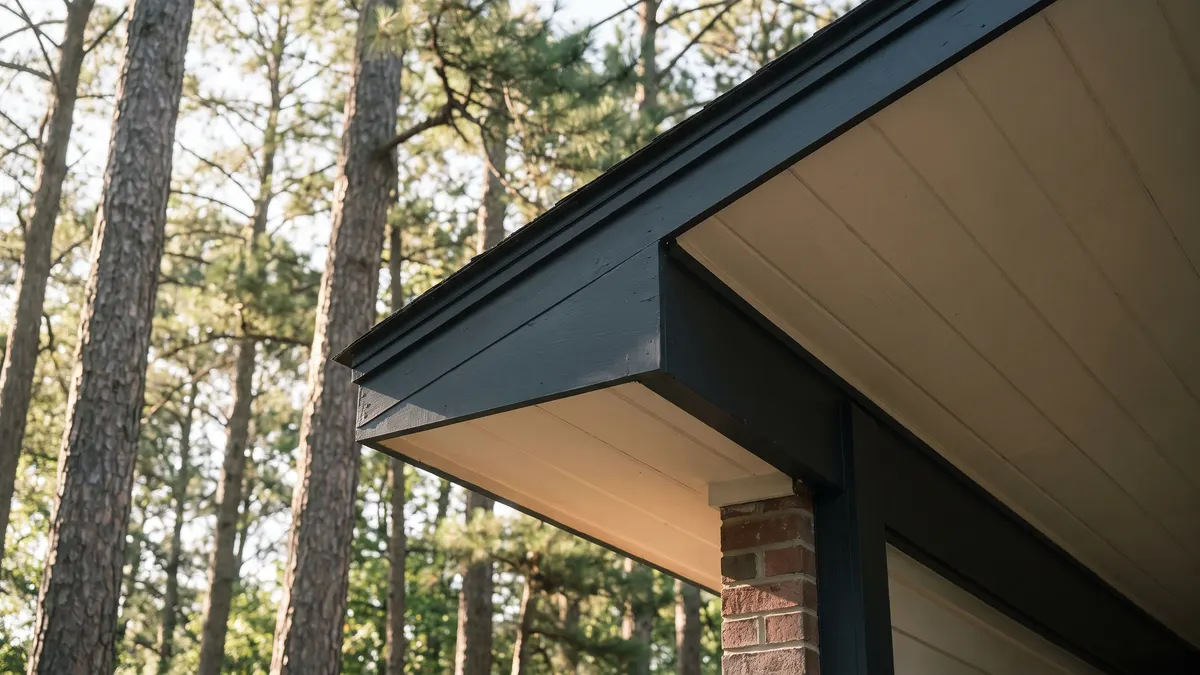
Curb appeal comes from cohesion, not from any single feature. A home reads as designed when the body color, trim, roof, masonry and front door relate to one another instead of competing — usually a restrained body, crisp trim that defines the edges, and one deliberate accent at the entry. Paint is the cheapest tool for pulling mismatched materials together, but it cannot fix bad proportions, failing siding or a front door lost in shadow. The design that improves curb appeal mostly organizes what is already there.
Planning exterior painting in west metro Atlanta? Get a free written estimate.
Curb appeal is cohesion, not a single upgrade
Most curb-appeal advice is a list of things to buy: new shutters, a bolder door, more landscaping. Houses that genuinely stop you on the street are not the ones with the most features; they are the ones where everything agrees. The roof, the body color, the trim, the masonry and the entry read as parts of one decision. That agreement is what good design means on an exterior, and it is mostly free.
The opposite is just as clear. A home can have a fresh paint job, a new door and healthy shrubs and still look disjointed if those pieces were each chosen on their own. The fix is rarely more elements. It is getting the ones already there to relate to each other.
The body, trim and accent hierarchy
A cohesive exterior has an order to it. The body is the largest, quietest color. The trim is the frame — it outlines the roofline, corners, windows and doors, and it does the most to make a house look crisp or sloppy. The accent is a single, small, deliberate note, almost always the front door. When those three play their roles, even a plain builder box reads as considered.
Trim is where proportion lives. Trim that is too thin lets a house look flat and cheap; generous, well-painted trim gives the eye edges to follow and makes the whole front feel finished. On a lot of west-metro homes the fastest visible upgrade is not a new color at all — it is crisp trim and a repaired, repainted fascia line that had gone gray and soft.
- Body: the largest surface, kept restrained so everything else can register.
- Trim: the frame around roofline, corners, windows and doors — crisp trim is most of a finished look.
- Accent: one deliberate note, usually the front door, never spread across every element.
Tying mismatched materials together
Most homes here are a mix of materials: a brick front with sided gables, vinyl shutters, a wood or fiberglass door, aluminum gutters. Left alone, those materials each bring their own color and the front looks assembled from spare parts. Paint is the cheapest tool there is for pulling them into one family — a trim and body palette chosen to sit with the brick's undertone makes the brick look intended rather than inherited.
The move is to work from the thing you cannot change. The brick or stone sets the temperature of the whole scheme; the body and trim are chosen to agree with it. Shutters and the door then pick up the trim or accent logic instead of introducing a fourth and fifth idea. The materials do not have to match. They have to relate.
The entry is the focal point
Every cohesive exterior has somewhere for the eye to land, and on a house that place is the front entry. A door with a confident color, flanked by working light fixtures and a clear, uncluttered path, pulls the whole composition together and tells a visitor where to go. It is the highest-impact square footage on the house.
This is where a small budget goes furthest. Refinishing or repainting the door, replacing dated fixtures with ones in a consistent finish, and keeping the porch uncluttered can lift a whole front without touching the body of the house. The entry carries more visual weight than its size suggests.
What paint and design cannot fix
Cohesion is powerful, but it has limits, and the honest version of this advice names them. Color cannot correct bad proportion — a too-small door, a blank two-story wall, windows that do not line up — though it can draw the eye away from it. And no color scheme survives on top of a surface that is failing. Peeling paint, split caulk lines and soft, rotted fascia read as tired from the street no matter how good the palette is.
Deferred maintenance is the quiet killer of curb appeal. A buyer or a neighbor cannot always name why a house looks neglected, but they read the gray, chalked siding and the dark streaks under the gutters instantly. Fixing those unglamorous things — washing, caulk, trim repair — often does more for how a house reads than any decorative choice.
Design the whole, judged from the street
The last discipline is to stop looking at swatches up close and start judging from where people actually see the house — the curb. A scheme that works as a set of chips can fall apart as a full elevation, and a detail that seems important from the porch disappears from the street. The composition is the product, not any single color.
Step back, look at the whole front in real light, and ask whether it reads as one house. If it does, the curb appeal takes care of itself. If it does not, the fix is usually to simplify — fewer colors, cleaner trim, one clear entry — rather than to add.
Questions we get asked
- What is the single highest-impact change for curb appeal?
- On most houses it is the entry — repainting or refinishing the front door, updating the light fixtures to a consistent finish, and clearing the porch. It is a small area that carries outsized visual weight. If the trim and fascia are tired, crisp trim is the close runner-up.
- Does the roof color matter to the scheme?
- Yes. The roof is one of the largest fixed surfaces on the house, so the body and trim have to agree with its undertone. A warm-brown roof and a cool-gray body will fight each other. Since you rarely replace a roof for color reasons, treat it as a fixed point the paint works around.
- Are shutters worth keeping?
- If they suit the home's style and are in good shape, repainting them to fit the scheme is cheap and effective. If they are warped, undersized vinyl that never fit the windows, removing them can clean up a front more than repainting them would. Shutters should look like they could actually close.
- How do I make a plain builder-grade house look custom?
- Restraint and crisp detail, not more features. A cohesive three-color scheme, generous well-painted trim, a confident door, and consistent light fixtures make a standard subdivision house look considered. The custom look comes from the pieces agreeing, which costs mostly thought rather than money.
- Does landscaping matter more than paint?
- They do different jobs. Paint and trim set the architecture; landscaping frames it and softens the edges. Overgrown shrubs against the walls actually work against both curb appeal and the paint, by trapping moisture on the siding. Clean, trimmed planting that keeps growth off the house supports the whole exterior.
Reviewed 2026-10-09 by Dan James, WS Painting & Remodeling LLC.