
How to choose an exterior painter whose work lasts
Fresh paint hides everything, so the painter worth hiring is the one who can show you work that held up after a few Georgia summers. Here is how to check.
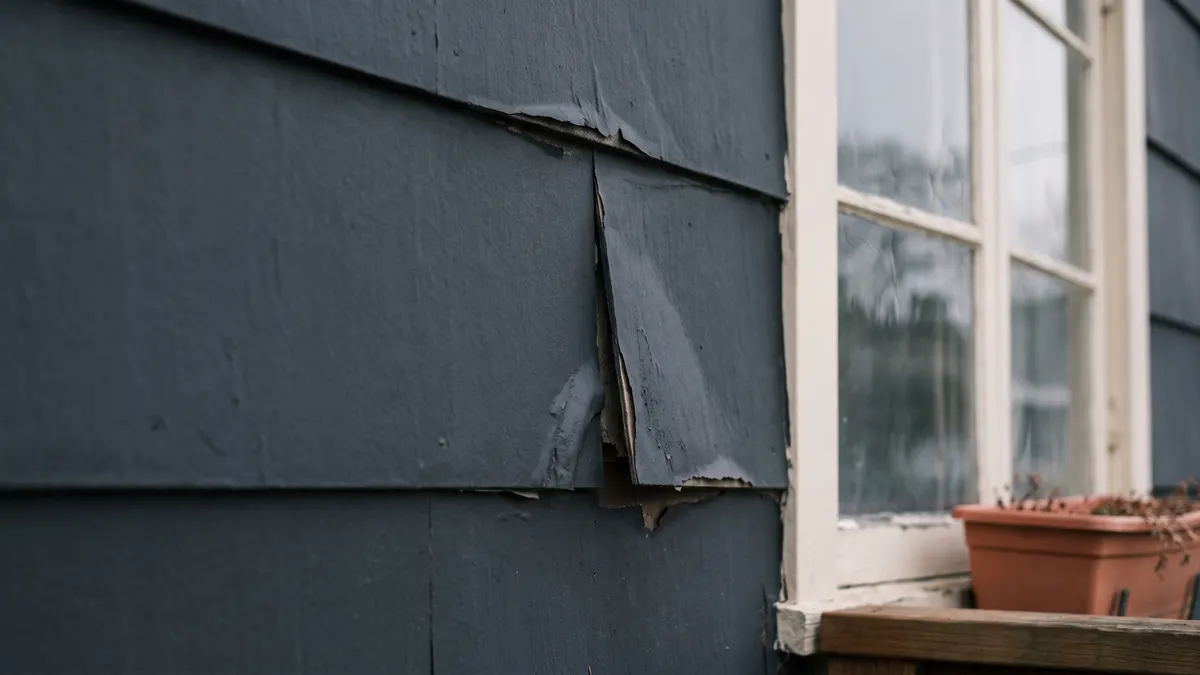
The exterior painter worth hiring is the one who can show you houses they painted three to five years ago that still look good, because fresh paint hides everything and only time reveals whether the prep was done. Beyond that, ask how they handle the things that actually go wrong outside: rot found behind the trim, a wall that will not dry in humidity, a stretch of rain mid-job. A painter with clear answers has done the work; one who only talks about color and price has not. Insurance, a real local address, and references on your type of house round out the check.
Planning exterior painting in west metro Atlanta? Get a free written estimate.
Fresh paint lies, so ask to see old work
Any exterior looks good the week it is painted. The question that matters is how it looks after a few Georgia summers, which is why the single most useful thing you can ask a painter for is not a photo of a just-finished job but the address of one they did three to five years ago. Drive by it. Check the south and west walls that get the most sun, the trim edges, the caulk lines, and the bottoms of the siding boards. Paint that is still tight and even after a few years is proof the prep was real.
A painter who does good work is glad to point you at older jobs, because time is their best reference. One who can only show you this month's work, or who gets vague when you ask for something older, is telling you what their finishes do after a year or two without saying it out loud.
The prep questions that reveal experience
You can learn most of what you need from how a painter answers a few prep questions, because the answers are specific and hard to fake. Ask how they wash the house and how long they let it dry before painting. Someone who works in this climate will talk about low pressure on wood and about waiting out the humidity, often a day or more, rather than washing and painting the same afternoon.
Ask how far they scrape and whether they prime bare wood. Ask what they do about mildew on the shaded north walls, which is constant here and comes back through new paint if it is only painted over instead of killed and washed off. The painter who has real answers has stood on the ladder; the one who waves the questions off and steers back to price and color has not.
How they handle rot and surprises
On an older west-metro house, scraping almost always turns up soft wood somewhere, whether a window sill, a fascia board, or the bottom of a door. How a painter deals with found rot is a test of honesty as much as skill. The answer you want is that they stop, show you, and price the repair against a rate you agreed on up front, not that they paint over it or spring a large change order from the top of a ladder.
Ask the question before you hire: what happens when you find rot? A painter who expects to find it on a house of your age, and who has a clear and fair way of handling it, has done this before and is not looking for a surprise to pad the bill with.
The practical checks
Some of vetting is unglamorous paperwork, and it protects you. Ask whether they carry liability insurance and workers' compensation, and do not take a yes on faith for a large job, since a certificate is a normal thing to request. Ask who will actually be on site: the person quoting, a steady crew they run, or day labor assembled for the week. Prep quality rides entirely on who does it, so a stable crew is worth knowing about.
Ask for references on houses like yours, meaning the same era and the same siding. A painter who has done a lot of 90s hardboard in these subdivisions brings different knowledge than one who mostly sprays new construction. And favor someone with a real, findable local presence over a number on a flyer, because a painter who is staying in the area has a reason to stand behind the work.
- Proof of liability insurance and workers' comp, by certificate for a large job.
- Who is actually on the ladder: owner, regular crew, or assembled day labor.
- References on your era and siding type, not just any finished house.
- A real local address and history, not only a phone number.
The red flags worth walking away from
A few signals are reliable enough to end the conversation. Be wary of the painter who knocks on your door with leftover paint from a job down the street and a price good only today; that pressure and that story are a pattern, not a deal. Be wary of anyone who wants a large share of the total up front. A modest deposit is normal, most of the money on completion is normal, most of it before they start is not.
Vagueness is its own flag. A refusal to put the scope and prep in writing, no verifiable address, no older work to show, and a hard push to sign now rather than answer your questions all point the same way. A painter confident in their work answers questions; one who is selling a feeling rushes you past them.
A quieter flag is how they communicate before you have signed. A painter who shows up late to the estimate without a word, is hard to reach, or answers a direct question with a brush-off is showing you the service you will get once they have your deposit. The estimate is the most attentive a contractor is ever going to be, so if it is already frustrating, the job itself will be worse.
- Door-to-door pitches with leftover paint and a today-only price.
- A demand for most of the money before work starts.
- No older work, no references, no written scope, no findable address.
- Pressure to sign now instead of answers to straight questions.
Why local and humid matters
Exterior painting is regional in ways interior work is not, because the weather is half the job. A painter who works through Georgia summers knows to paint the shaded walls in the afternoon and the sunny ones early, to stop ahead of an afternoon storm, and to wait for the morning dew to burn off before starting, none of which a crew used to a drier climate would do by habit. Those judgment calls are what keep the film from failing.
The same goes for the materials on the walls here. Knowing how aging hardboard, early fiber cement, and painted brick each take prep and paint is local knowledge, learned on local houses. It is why seeing a painter's older work in your own kind of neighborhood tells you more than any brochure can.
Questions we get asked
- How do I know if a painter does good prep?
- You cannot see prep in a finished job, so judge it two ways: ask to see work they did three to five years ago and check whether it is still tight, and listen to how they answer prep questions. Specific answers about washing, drying time, scraping, priming, and killing mildew come from experience. Vague ones come from skipping it.
- Should I always get three quotes?
- Three is a reasonable number, enough to see the range without drowning in appointments. But use them to compare the work, not just the price, and weigh who you trust to do the prep you cannot see. The cheapest quote and the best-value painter are often not the same company.
- Is a longer warranty better?
- Not on its own. A long warranty backed by thin prep is worth less than a shorter one backed by thorough prep, and a warranty is only as good as the company still being around to honor it. Read what it actually covers, and weigh it alongside the painter's track record rather than treating the number of years as the point.
- What is wrong with a painter who knocks on my door?
- Not every door-knocker is a problem, but the specific pitch of leftover paint from a job nearby at a price good only today is a known pattern worth declining. Established painters here stay busy on referrals and scheduled work; the high-pressure, act-now approach is designed to get a signature before you can check anything.
- Does it matter if they use subcontractors?
- It matters that you know, because prep quality depends on who actually does it. A painter running a steady, trained crew, subcontracted or not, can do excellent work; a different set of day labor each week is harder to count on. Ask who will be on your house, and weight the older-work check accordingly.
Reviewed 2026-10-09 by Dan James, WS Painting & Remodeling LLC.