
Why drywall cracks, and which cracks actually matter
Seasonal cracks patch and stay fixed; structural cracks come back. How to read the difference before you pay to repair one.
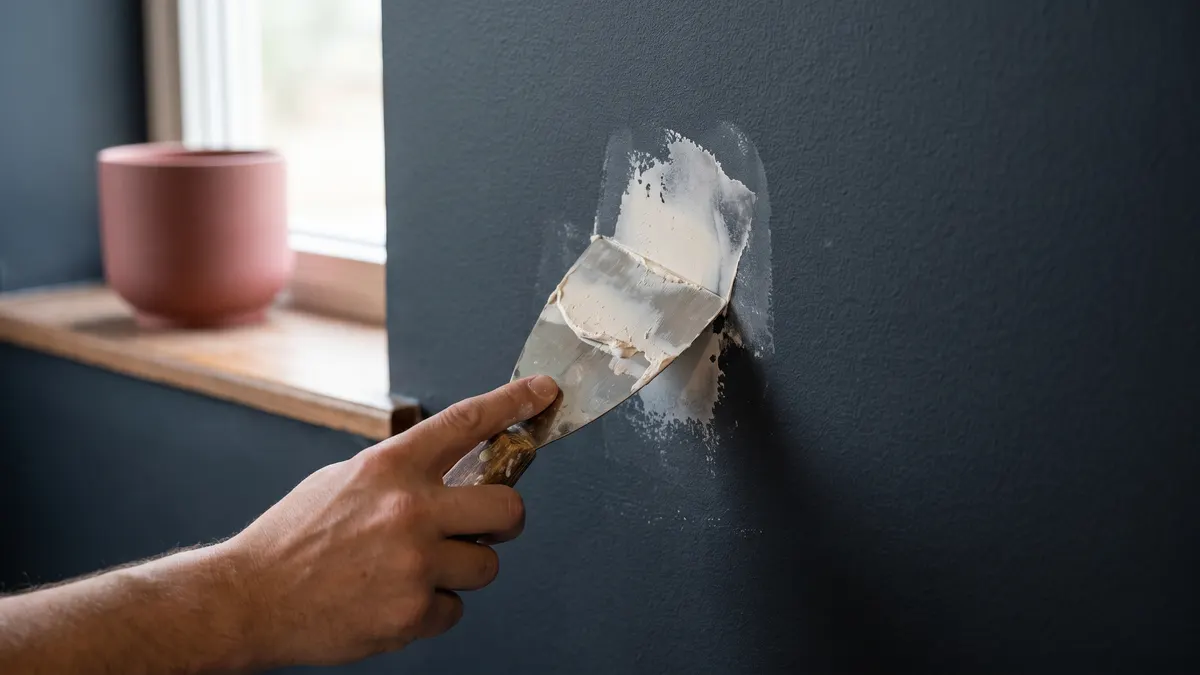
Most drywall cracks are cosmetic — the house moving a little with the seasons, or joint tape that was never properly bedded — and they patch and stay fixed. The cracks that matter come back after a correct repair, run on a diagonal from the corner of a door or window, or appear next to a door that has started to stick; those point at movement in the structure rather than the drywall. Fix the cause of a structural crack before patching it, or the patch cracks again on the same line.
Planning drywall repair & patching in west metro Atlanta? Get a free written estimate.
Drywall cracks because the house moves and the material shrinks
Houses are not static. Framing lumber keeps drying and shrinking for the first few years after a house goes up, seasonal humidity swells and shrinks everything, and here the red clay under the foundation expands when it is wet and pulls back when it dries, so the whole house rises and settles a little through the year. Drywall is a rigid panel riding on top of all that movement, so hairline cracks at seams and corners are common and mostly meaningless.
The question is never whether a house moves — they all do — it is whether a particular crack is the harmless kind or the kind that is telling you something. The pattern, the location and whether it comes back are what separate the two.
The cracks that are only cosmetic
The everyday cracks are at the joints. Tape that was not properly bedded in compound lifts and leaves a straight crack down a seam. Corner bead can crack where two walls meet. Short cracks fan out from the top corners of doors and windows because those openings are weak points where framing shrinkage concentrates. These are nuisance cracks, and they stay fixed once they are repaired correctly.
Correctly is the operative word. Running a bead of caulk down a seam crack and painting over it is why the same crack is back next season — caulk flexes and telegraphs. A real repair cuts out the loose tape, re-tapes the joint in fresh compound, and feathers three coats out wide before priming. Done that way, a cosmetic crack does not return.
The cracks that mean something other than drywall
A few patterns are worth taking seriously. A crack that runs on a long diagonal from a door or window corner, one that is wide enough to catch a fingernail or keeps widening, cracks that reopen in the same place after a proper repair, and cracks that show up alongside doors or windows that have racked out of square or floors that feel like they slope — those are signs the structure is moving, not just the surface.
When the frame or the foundation is moving, the drywall is only the messenger. Patch it without addressing the cause and it will crack again on the same line, because nothing that opened the crack has changed. That is the one case where the right answer is to stop and have the cause looked at before spending money on the drywall.
Nail pops, and why 90s builder stock is full of them
Nail pops are the little round bumps or circular cracks that appear in a field of wall or ceiling, away from any seam. What you are seeing is a fastener backing out and tenting the compound over its head. They happen when the framing lumber dries and shrinks around the nail, when the drywall was not pulled tight to the stud, and when ceiling trusses lift and settle with the seasons.
They are everywhere in the 1990s and 2000s subdivisions around Kennesaw, Powder Springs and west Cobb, because that stock was hung fast with nails and the lumber has been drying ever since. The durable fix is not to hammer the nail back — it just pops again. You drive a screw an inch or two away to pull the board tight, reset or remove the popped nail, and coat the spot in two or three passes. Tapped back and painted over, a nail pop returns within a year.
What we look at before we pick up a trowel
Before patching anything we look at the pattern and then at the doors and windows nearby, because those tell us whether we are fixing a surface or covering a symptom. A field of nail pops and some seasonal seam cracks is routine drywall work. A widening diagonal over a door that now sticks is a different conversation.
If a crack is structural, we will say so and point you toward having the cause evaluated rather than sell you a patch we already know will fail. We are drywall and paint, not a foundation company, and the honest version of this trade includes telling you when the problem is not actually the drywall.
Questions we get asked
- Is a crack over my doorway serious?
- Usually not. Short cracks fanning from the top corners of doors and windows are the most common cosmetic crack, caused by framing shrinkage at a weak point. It becomes worth a closer look if it runs long on a diagonal, keeps widening, or the door itself has started sticking or sitting crooked in its frame.
- My cracks keep coming back after being patched — why?
- Either they were repaired with caulk instead of properly re-taped, or the crack is structural and nothing fixed the movement causing it. A cosmetic crack re-taped correctly stays fixed; a crack that reopens on the same line after a real repair is telling you the cause is still active.
- What causes those round bumps in my wall?
- Nail pops — a drywall fastener backing out as the framing lumber dries and shrinks, tenting the compound over its head. They are very common in 1990s and 2000s homes. The lasting fix is to screw the board tight nearby and recoat, not just tap the nail back in.
- Do you fix the foundation too?
- No. We repair drywall, and we can tell you when a crack pattern points at structural movement, but the foundation or framing itself is another trade. We would rather send you to have the cause evaluated than patch a wall we expect to crack again.
- Will the crack come back after you fix it?
- A cosmetic crack, repaired by re-taping and feathering rather than caulking, stays fixed. A structural crack will come back on the same line unless the movement behind it is addressed first, which is why we look at the pattern before promising a lasting repair.
Reviewed 2026-10-09 by Dan James, WS Painting & Remodeling LLC.