
A water stain on your drywall? Find the leak before you patch
The stain is the symptom. Why finding the water source has to come before any compound, and how to repair it so it stays gone.
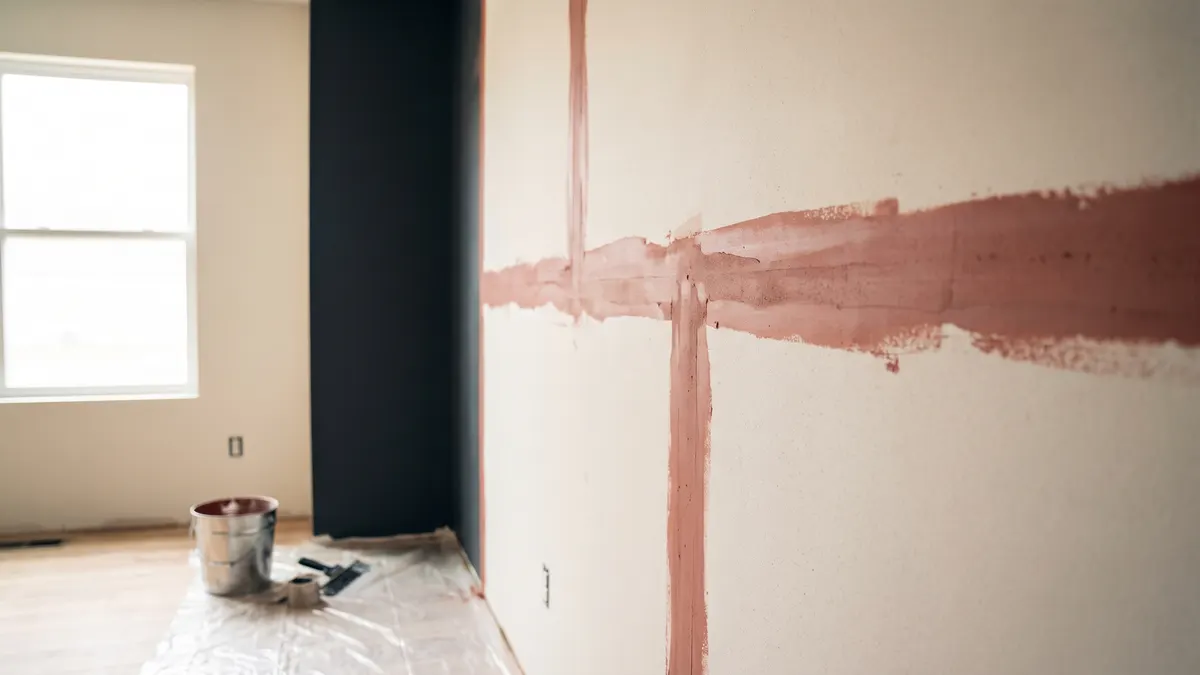
A brown ring or soft spot on drywall is a symptom, and patching it before you find where the water came from just hides the leak until it spreads. Trace the source first — a roof, a supply or drain line, a tub or shower surround, or attic condensation in a Georgia summer — and confirm the area is fully dry before any compound goes on. Painting over a damp or still-active stain seals moisture against the board, and it comes back darker than before.
Planning drywall repair & patching in west metro Atlanta? Get a free written estimate.
The stain is the symptom, not the problem
A brown or yellow ring on a ceiling or wall is water that has already passed through, or is still passing through, the drywall. The mistake is treating the mark as the thing to fix. Cover it up and the water keeps coming; you have hidden the warning light, not the leak. The order that actually works is find the source, dry it out, then repair.
This is the step the generic version of this job skips, and it is the one that decides whether the repair lasts a decade or reappears by next summer. The drywall is the cheap part. The water is the problem.
Where the water is actually coming from
The location of the stain narrows the source. A ceiling stain directly under a bathroom usually means a supply line, a drain, or a failing shower pan or tub surround above. A stain on the top-floor ceiling points at the roof or its flashing. A stain running down an exterior wall often traces to window flashing or a gap in the siding.
The one that fools people is a damp patch high on a ceiling with no plumbing above it. In Georgia that is frequently attic condensation — humid summer air hitting cold air-conditioning ducts and sweating, or poor attic ventilation — and not a leak at all. Each of these gets found and confirmed before a patch goes on, because the repair is different for each.
How to tell whether it is still active
A stain alone does not tell you if the leak is current. The surface can be bone dry from an old roof leak that has since been fixed, or still wet from something live. A moisture meter settles it, and so does watching the spot after rain or a shower. The simplest tell is a stain that bleeds back through fresh primer — if it returns, the source is not fixed.
Feel the board, too. Drywall that has been wet long enough goes soft and crumbly and may have mold growing on the back where you cannot see it. A patch over soft board is a patch over a sponge; that material is removed, not repaired.
Repairing it so it does not bleed back
Once the source is fixed and the area is dry, a stained but sound surface is sealed with a stain-blocking primer first. This matters: water stains bleed straight through ordinary wall paint, so a spot you roll over with latex ghosts back through in weeks. The stain blocker locks it, then the area is textured to match and painted.
Where the board is soft, swollen or moldy, it is cut out rather than coated. The cavity behind it is checked, wet insulation is pulled, and new board goes in — moisture-resistant board in the places that see constant splashing, like behind a tub surround, in a laundry, or under a kitchen sink. New board over a dried, sound cavity is a permanent fix; new board over a live leak is the same mistake with extra steps.
What we repair and what we hand off
We find the stain, read where it is coming from, and fix the drywall. What we are not is a plumber or a roofer, and a live plumbing leak or a compromised roof belongs to that trade. We will tell you which one you have and, where it is honest to, help you confirm it is resolved before we close the wall back up.
What we will not do is skin over a problem that is still wet. Sealing moisture inside a wall trades a visible stain for a hidden mold problem, and that is a worse outcome than the mark you started with. If it is not dry, it is not ready, and we will say so.
Questions we get asked
- There is a brown stain on my ceiling — what is it?
- Water, from above. Directly under a bathroom it usually means a plumbing leak or a failing shower pan; on a top-floor ceiling it points at the roof; high on a ceiling with nothing plumbed above, it is often attic condensation in our humid summers. The location is the first clue to the source.
- Can you just paint over a water stain?
- Not with regular paint — water stains bleed back through latex within weeks. A stain has to be sealed with a stain-blocking primer first, and only after the source of the water has been found and fixed. Painting over an active or damp stain hides it briefly and makes it worse.
- How do I know if the leak is actually fixed?
- The stain stays gone. A moisture meter confirms the board is dry before repair, and a sealed, primed spot that does not bleed back after the next rain or shower tells you the source is resolved. A stain that ghosts back through fresh primer means the water is still coming.
- Should wet drywall be replaced or just dried out?
- It depends on the condition. Board that is still firm and only lightly stained can be dried, sealed and repaired. Board that has gone soft, swollen or crumbly, or has mold on the back, is removed and replaced, because its strength and the clean surface behind it are both gone.
- Is the black spotting on the drywall mold?
- It can be. Dark spotting around a chronic moisture source is often mold, and if the board is soft or the staining is widespread the material should be removed rather than cleaned and painted. Surface marks on firm, dry board are usually just the stain, but anything growing points back at a moisture source that still needs fixing.
Reviewed 2026-10-09 by Dan James, WS Painting & Remodeling LLC.