
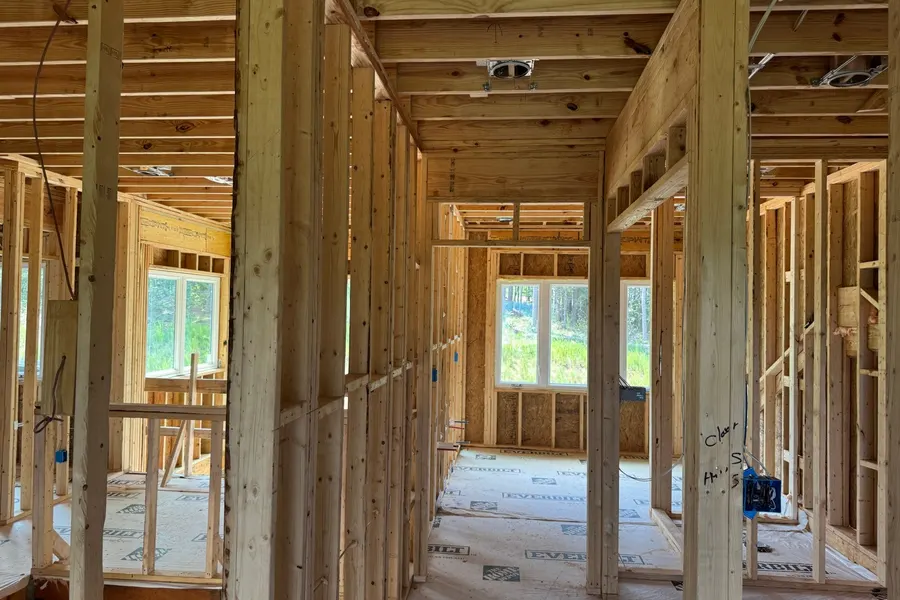
Basement Finishing in Marietta, GA
Marietta spans a century and a half of building, which is why one street can need careful sash and trim work and the next needs a full kitchen gut. Work around the Square and in the historic districts runs slower by design — older substrates, lead-era coatings and more prep than a modern subdivision ever asks for.
Cobb County · about 22 minutes from our Powder Springs shop
Basement Finishing for Marietta homes
Everything from antebellum and Victorian homes near the Square, through mid-century ranches, to 80s and 90s brick-and-siding subdivisions in East Cobb. Older homes need genuine carpentry repair before any topcoat; the East Cobb stock is squarely in kitchen-and-bath remodel territory.
Areas we work in Marietta
- Marietta Square
- Whitlock Heights
- East Cobb
- Kennesaw Avenue Historic District
- Church-Cherokee
- Sibley Forest
Near Marietta Square, Kennesaw Mountain, The Strand Theatre and across the rest of Marietta.
Basement Finishing on Marietta houses
The older homes near the Square and the mid-century ranches off Kennesaw Avenue often have a low cellar rather than a full basement — maybe seven feet to the joists, lower under the ducts and the main beam, with a stone or early block foundation and a furnace sitting out in the middle of the floor. Finishing one of these is as much about headroom and obstructions as it is about moisture. Soffits boxed around ductwork eat into the ceiling, so the layout has to be drawn around what is already hanging down. The East Cobb subdivision basements are a different animal, with taller poured or block walls that finish closer to a standard job.
What usually gets missed
On the old cellars the mistake is measuring to the joists and calling that the ceiling height. By the time the ducts are boxed in and a moisture-tolerant floor goes down over the slab, the room under that soffit can feel tight to stand in. And a stone or old block wall that has weeped for decades will not stop just because there's drywall in front of it. We measure to the lowest duct, not the joist, and we deal with the wall before it gets hidden.
On a Marietta job we check
- Measure finished headroom under the lowest duct, not the joists
- Plan soffits and layout around the furnace and main beam
- Treat an old stone or block wall's seepage before framing
What the job actually involves
Georgia basements and below-grade spaces fight moisture. Before framing and drywall go up, the water and humidity have to be understood and controlled, or the finished space will smell and grow mildew.
We use moisture-tolerant framing details, appropriate below-grade insulation, mold-resistant drywall where it fits, and flooring that does not swell with damp, because basements are the part of the house most likely to get humid.
How we run a basement finishing job in Marietta
- 1
Assess moisture and drainage
We look for water stains, efflorescence on block walls, floor cracks, and grading and gutter problems outside. If water is getting in, that gets fixed first. Finishing over a wet basement is a costly mistake.
- 2
Plan layout, egress and permits
We lay out rooms, bathrooms and mechanical access. A bedroom needs a code-compliant exit window. Permits and inspections apply to most basement finishing, and ceiling height matters.
- 3
Frame and rough-in
Walls are framed, often with a small gap or moisture break against the foundation. Electrical, plumbing and HVAC runs go in before insulation and drywall, and get inspected where required.
- 4
Insulate and hang drywall
Insulation is chosen to suit below-grade walls, and moisture-resistant materials are used where needed. Drywall is hung, taped and sanded through several coats.
- 5
Flooring, ceilings and trim
Basement floors need a moisture-tolerant system, such as vinyl plank or tile over a proper underlayment, rather than materials that swell. Ceilings, doors and trim follow.
- 6
Paint, fixtures and final inspection
Painting, lighting, outlets and fixtures finish the job. Dehumidification or ventilation is addressed so the space stays dry, and final inspections are scheduled.
What moves the price
We will not quote Marietta blind over the phone — these are the things we look at on site that decide the number.
- Square footage and how many rooms, baths, or kitchenette areas you want.
- Moisture or drainage fixes needed before finishing begins.
- Whether plumbing is added, especially a bathroom needing sewer or ejector pump work.
- Ceiling height, ductwork and mechanical obstacles that require soffits and routing.
- Egress windows for bedrooms and the permits involved.
- Flooring, lighting and finish level.
From a basement finishing customer
“As an interior designer, my focus is quality of work for my clients. … I especially appreciate suggestions for a course correction on my plan that resulted not only in cost savings but in a much more pleasing and functional result.”
Interior design partnership
Want a real number for your Marietta basement finishing job?
The only way to price it honestly is to see it. We come out, walk the job and put it in writing — free, and with no obligation to book.
Call and we answer 24/7. Forms sent during the day get a call back the same day.
Basement Finishing in Marietta — questions we get asked
- How long does finishing a basement take?
- Often a month or two or more depending on size, permits and complexity. Inspections and drying times between steps add up.
- Will my basement stay dry?
- Only if the moisture source is dealt with first. We check for water entry and recommend fixes before we build. A dehumidifier is often part of the plan in Georgia summers.
- Do I need permits?
- Almost always for structural, electrical or plumbing work. We tell you what your jurisdiction requires.
- Can I stay in the house?
- Yes. Work stays mostly downstairs, though there is noise and dust we try to contain.
- Can I add a bedroom or bathroom?
- Often, subject to egress and plumbing access. Adding a bathroom below the sewer line may need a pump system.
More in Marietta
Cobb County housing, neighborhoods and what we do there.
Painting & remodeling in Marietta →Other work in Marietta
Prefer to talk it through? Dan picks up.
(470) 419-0922