
Is exterior painting actually a smart investment?
The return on an exterior repaint is mostly protection: a timely coat seals the house against moisture and heads off the rot and siding bills that cost many times more.
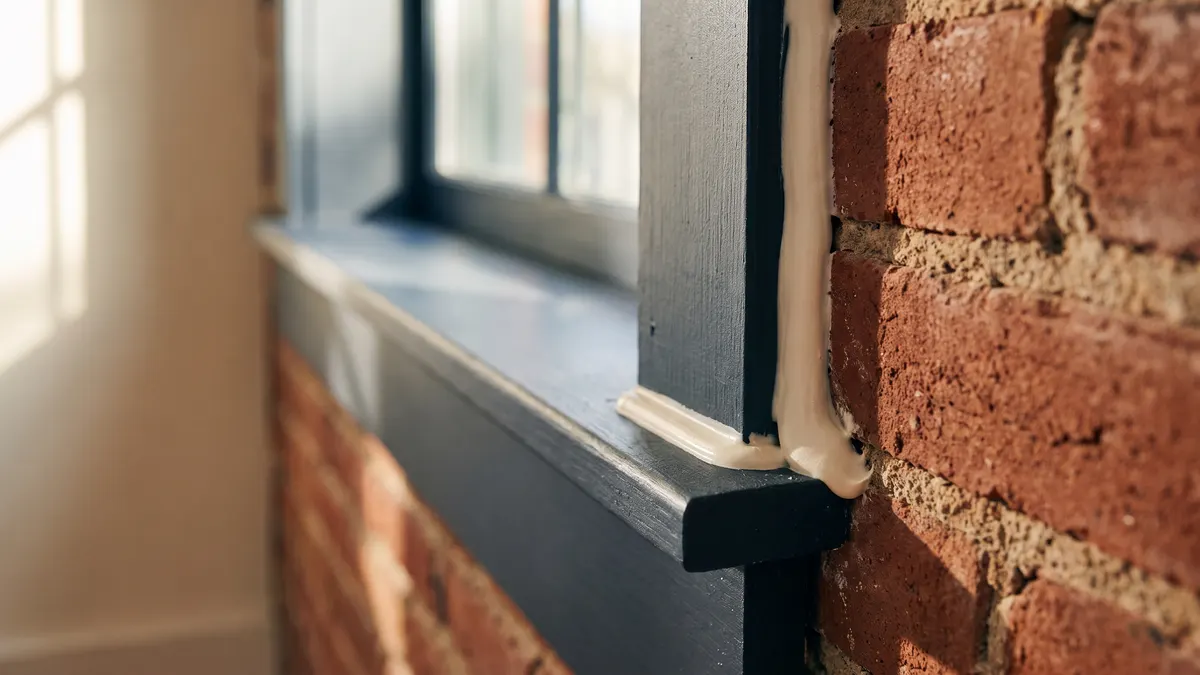
Exterior painting earns its keep as protection first and appearance second. The coating and the caulk are what stand between Georgia's rain and humidity and the wood underneath, and a timely repaint stops small failures — a lifting edge, a split caulk joint, a bare patch of trim — before they become rotted fascia and failing siding that cost many times more to repair. The curb appeal is real and it helps at sale, but the smart-money reason to repaint is that sealing the envelope early is far cheaper than replacing what moisture has already destroyed.
Planning exterior painting in west metro Atlanta? Get a free written estimate.
What you are actually buying
It is easy to think of exterior paint as decoration — a color change for a tired house. The more useful way to see it is as the outer layer of a water-shedding system. The paint film, the primer under it and the caulk at every joint work together to keep rain and humidity out of the wood and sheathing. When homeowners picture remodeling they picture a kitchen or a bath; the repaint that protects the whole structure rarely gets the same respect, even though it guards everything else.
That reframing changes how you judge the money. You are not paying for a color. You are paying to keep water on the outside of the walls, which in this climate is a constant, losing-by-default battle that only a sound coating holds back.
Moisture is the enemy, and waiting is expensive
In west Georgia the thing that destroys an exterior is not mainly the sun — it is water. Humidity, afternoon storms, pollen film that holds moisture, and gutters that overflow all keep the walls wet, and paint is the barrier. Once the film breaks down and water gets into the wood, the cost of the problem climbs fast. A repaint is the cheapest stage. Repairing rotted trim and fascia is the next, more expensive stage. Replacing siding that has swollen and delaminated is the most expensive stage of all.
The math is in the sequence. A coat of paint applied before the failure protects the cheap problem. The same money spent after the failure buys only part of the repair, because now there is carpentry first and painting second. Waiting does not save money on an exterior; it moves the job into a more expensive category.
Prep is the investment, not the paint
The reason a cheap exterior quote can fail inside eighteen months is almost never the paint in the can — it is the prep that was skipped to make the number low. Paint sprayed over a dirty, chalked, unscraped wall with the old split caulk left in place has nothing sound to bond to, and it lets go on schedule. The expensive part of a good job is the labor nobody sees: washing, drying, scraping to a sound edge, spot-priming bare wood, and recaulking the joints that actually leak.
So when two quotes are far apart, the gap is usually prep. The honest question to ask is not whose paint is better but whose number includes the washing, the scraping, the priming and the caulk. The repaint that lasts a decade and the one that fails in a season can use the same paint; what separates them is the work underneath.
- Washing off mildew, pollen film and chalk so the new coat has something to grip.
- Scraping and sanding failed paint back to a sound edge instead of painting over the lifting film.
- Spot-priming bare wood and repairs so the finish bonds and seals.
- Recaulking the joints at trim and openings — the gaps where water actually gets in.
Where the value shows up when you sell
A sound, cohesive exterior does real work at sale. It is the first thing a buyer sees, it signals a house that has been looked after, and it keeps paint and exterior condition off the inspection list of worries. A freshly and properly painted house reads as move-in ready in a way a chalked, streaked one never will, and that impression colors how a buyer sees everything else.
The honest caveat is that paint sells the house by removing objections, not by adding a guaranteed number to the price. Claims that a specific color returns a specific dollar figure are the kind of unsourced statistic worth ignoring. What is reliable is simpler: a tired exterior costs you buyers and negotiating room, and a sound one protects both.
Timing the repaint to the house, not the calendar
The smart-money version of exterior painting is proactive, not reactive. The house tells you when it is due — the south and west walls that catch the most sun will show fading, chalking and the first lifting edges before the shaded sides do. Those elevations are the early-warning system. Catching them when the film is just starting to go, rather than after it has peeled and let water in, is what keeps the job in the cheap category.
Walking the house once a year — especially the sunny walls, the trim, the fascia and the caulk lines around windows — tells you whether you are protecting a sound surface or about to pay for a failed one. That habit is most of the investment.
When a repaint is not the smart move
The flip side of all this is the honest answer that costs us the job: if the material itself is failing, painting it is money burned. A coat of paint over hardboard that has swollen and delaminated at the joints, or over trim that is soft with rot, hides the problem for a season and comes back worse, because the water is already inside. At that point the sound investment is to repair or replace the failed material first, then paint the surfaces that are still good.
A proper exterior assessment sorts this out before you spend anything: what is sound enough to protect with paint, and what is past protecting and needs replacing. Spending repaint money on a wall that needs new siding is the one exterior decision that reliably wastes the budget.
Questions we get asked
- How do I know when it is time to repaint the exterior?
- Watch the south- and west-facing walls, which wear first. Fading, a chalky residue on your hand when you rub the siding, hairline cracking, and the first lifting or peeling edges mean the film is breaking down. Catching it at that stage protects the wood; waiting until it peels lets water in and moves you into repair territory.
- Is premium paint worth the extra cost?
- Better exterior paint holds color and flexes with the wall longer, so it is usually worth it — but it matters far less than the prep. The best paint over skipped prep still fails. Mid-grade paint over proper washing, scraping, priming and caulk will outlast it. Spend on the prep first, then on the paint.
- Why are exterior painting quotes so different?
- Almost always because of what prep is or is not included. A low number often means washing, scraping, priming and recaulking were trimmed to win the job, which is exactly the work that makes paint last. Ask each quote what surface prep and repair it covers before comparing the totals.
- Does a fresh exterior really help resale?
- It helps by removing objections — it signals a cared-for house and keeps exterior condition off a buyer's worry list. Be skeptical of anyone attaching a precise dollar or percentage return to a color; those figures are rarely sourced. What is dependable is that a tired exterior costs you buyers and leverage.
- Can I just paint the sides that face the sun?
- You can prioritize them, since the south and west walls fail first, and spot-maintaining those elevations can buy time. But a whole-house repaint done at once looks consistent and is more efficient per wall than mobilizing repeatedly for single sides. Partial painting is a maintenance tactic, not usually the cheaper long-run plan.
Reviewed 2026-10-09 by Dan James, WS Painting & Remodeling LLC.