
A homeowner's guide to a whole-home renovation
An orientation for anyone weighing a larger renovation — what the word actually covers, what older west-metro houses hide, and what a well-run job looks like from the homeowner's side.
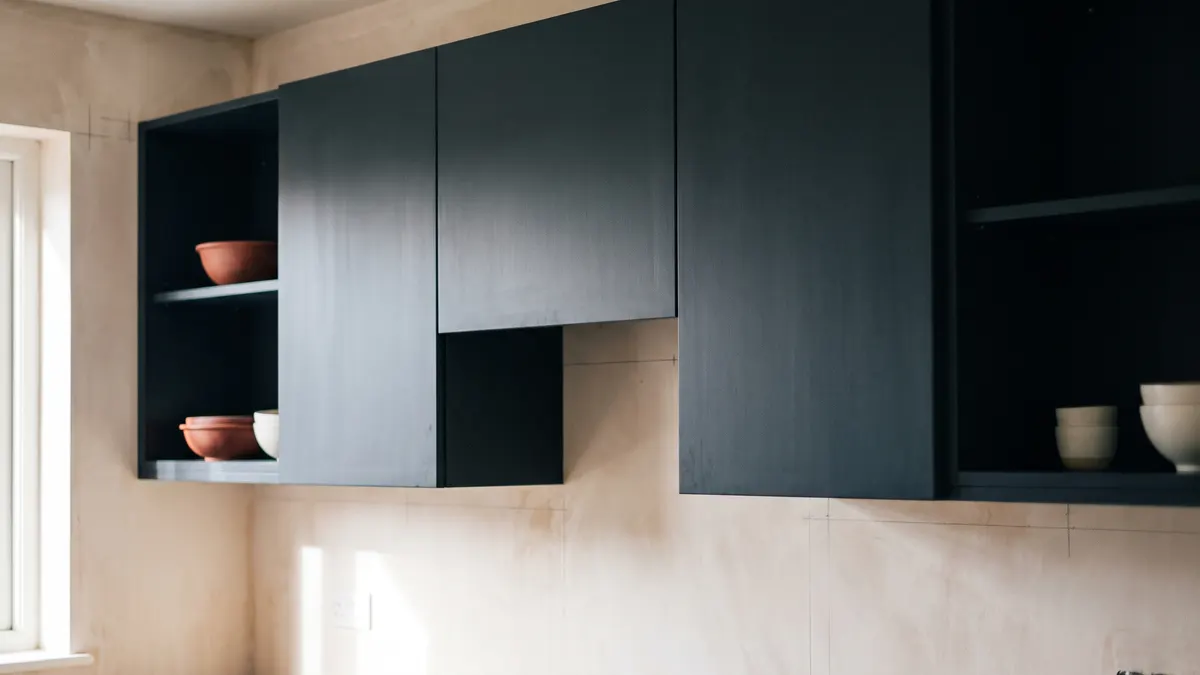
A whole-home renovation runs on a spectrum from a cosmetic refresh — paint, flooring, fixtures — to real structural work that moves walls and updates systems, and the first job is being honest about which one you are actually doing, because they are different jobs on different timelines. Decide the scope around how you live, expect an older west-metro house to reveal rot, dated wiring or unlevel floors once it is opened up, and judge the work by how a hidden condition gets handled and whether the punch list is closed at the end — not by how it looks on day one.
Planning a project like this in west metro Atlanta? Get a free written estimate.
What 'renovation' actually covers
Renovation is a word that stretches from a weekend's worth of paint and new fixtures to gutting a house down to the studs, and a lot of frustration comes from two people using it to mean different things. Before anything else, it helps to place your project on that spectrum, because a cosmetic refresh and a structural renovation are genuinely different jobs with different timelines, different disruption and different surprises.
A cosmetic update changes what you see — paint, flooring, lighting, hardware — without touching the bones of the house. A real renovation changes the layout or the systems: moving walls, rerouting plumbing or electrical, replacing what is behind the surfaces. Many projects are a mix, and naming where yours sits before you ask for an estimate is the first step that keeps expectations and reality in the same room.
Decide the scope around how you live
The best renovations start from how a household actually uses its space, not from a gallery of finished rooms. Walk your own house and notice where it fails you day to day — the kitchen with no landing space beside the oven, the one bathroom everyone fights over in the morning, the dark room nobody uses. Those frustrations are the brief.
Starting there keeps money pointed at the changes you will feel every day rather than at whatever photographs well. It also makes the hard trade-offs easier, because when the budget or the structure forces a choice, you already know which problems were the reason you started. A renovation that solves the things that actually annoyed you is one you stay happy with; one built around a trend you saw often disappoints once the novelty wears off.
What older houses here reveal once you open them
Much of west-metro Atlanta is late-80s through 2000s subdivisions, and a lot of that stock is now at the age where its first kitchens and baths are due their second remodel and its builder-grade siding and trim are failing rather than just fading. Older cores near the historic downtowns add houses old enough to have plaster over wood lath, which cracks and behaves differently than drywall.
What that means for your renovation is simple: expect the house to have an opinion. Opening walls in homes of this age regularly turns up water damage under old sinks and tubs, dated wiring, and floors that are not level. None of it is unusual, and a good contractor points it out, explains the options, and prices the fix when it is found rather than papering over it. A renovation that ignores what demo reveals is one that covers a problem for a season and lets it come back.
What a well-run renovation looks like day to day
From the homeowner's side, a renovation going well feels less like watching construction and more like staying informed. The scope is written down so both sides can point to the same document, and when a surprise shows up behind a wall there is a conversation — here is what we found, here is what it means, here is the call to make — before the work continues, not a bill that explains it after the fact.
That communication is most of what separates a smooth job from a stressful one. You do not need to understand the trade to tell whether it is being run well: you can see it in whether questions get straight answers, whether changes are discussed before they happen, and whether the crew leaves the site in a state you can live beside each evening. The details of order and budget are their own larger topics, but the signal of a well-run job is steady, honest communication throughout.
Staying in the house while it happens
For most renovations you can keep living in the house, with the work contained to the rooms being worked on and the rest of the home usable. The planning that makes it bearable is sequencing so you are never without both a kitchen and a bathroom at once, and setting up a temporary kitchen before the real one comes out.
There are exceptions worth naming up front. A whole-house job on a tight deadline is faster and less disruptive on an empty house, and if someone in the home has a respiratory condition or there is a newborn, a few nights elsewhere during the dustiest stages is a reasonable call. For a normal lived-in renovation, though, moving out is the exception, not the rule.
Knowing when it is finished
A renovation reaches 'mostly done' well before it is actually finished, and the end is defined by the punch list, not by how the rooms photograph. At the close, you walk the job with the crew lead in good light — ideally with a work light held low and to the side, which shows ridges, missed spots and texture mismatches the overhead light hides — and anything flagged gets fixed before the job is called done.
The honest markers of a finished job are a closed punch list, surfaces that pass that raking-light check, and a clear answer on the workmanship warranty behind it. Treat the walkthrough as the real finish line: a job is done when the room works and the list is clear, not when the crew would like to be paid out.
Questions we get asked
- What is the difference between remodeling and renovation?
- In everyday use they overlap, and the distinction that actually matters is cosmetic versus structural. A cosmetic update changes what you see — paint, flooring, fixtures — while a structural renovation changes the layout or the systems behind the walls. Naming which one your project is keeps the timeline and the disruption you expect in line with reality.
- How do I know what my house actually needs?
- Start from how the house fails you day to day rather than from finished-room inspiration. The frustrations you live with — no counter space, one overloaded bathroom, a dark unused room — are the real brief. A walk-through with a contractor can then tell you which of those are cosmetic fixes and which need structural or systems work.
- What surprises are common in older west-metro homes?
- Water damage under old sinks and tubs, dated wiring, and floors that are not level turn up often once walls and floors are opened, and the older cores add plaster over wood lath that behaves differently than drywall. These are normal for the age of the housing stock, and a good contractor shows you what is found and prices the fix rather than covering it.
- Will I have to move out during a renovation?
- Usually not. The work is contained and the rest of the house stays usable, as long as the schedule keeps a kitchen and a bathroom available. Moving out makes sense for a whole-house job on a tight deadline, or when someone in the home has a respiratory condition or there is a newborn and the dustiest stages are better spent elsewhere.
- How do I know the work was done right?
- Judge it at the final walkthrough, not on day one. Walk the job in good light with a work light held low, which reveals ridges and texture mismatches the overhead light hides, and make sure every flagged item is fixed before the job closes. A closed punch list and a clear workmanship warranty are the honest signs the work holds up.
Reviewed 2026-10-09 by Dan James, WS Painting & Remodeling LLC.