
How long does a home remodel really take?
A remodel's timeline is set more by materials, curing and inspections than by how fast the crew works. Here is what actually eats the weeks, and where schedules slip.
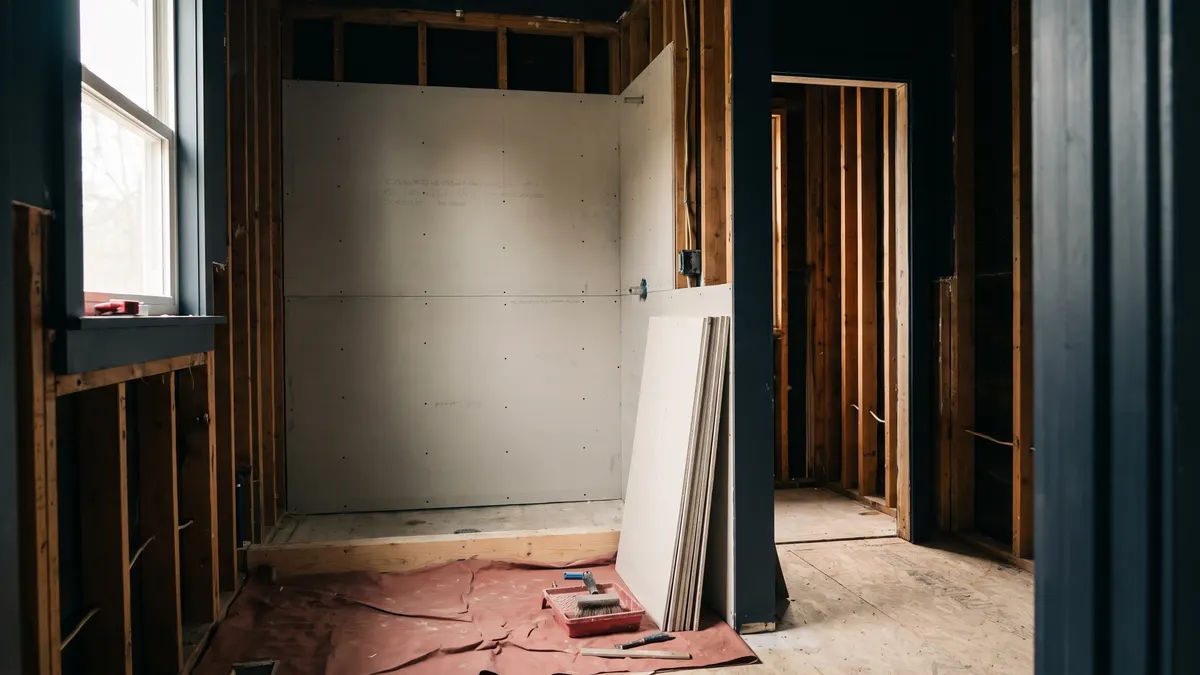
A kitchen remodel commonly runs several weeks to a couple of months, and a bathroom a couple of weeks or more for detailed tile. Most of that time is not the crew working slowly — it is material lead times (cabinets and stone countertops take weeks to arrive), drying and curing that cannot be rushed (tile, grout, paint, flooring acclimation), and inspections that pace the permitted stages. Schedules slip most on hidden conditions found after demo — rot, old wiring, unlevel floors — and on mid-job changes, each of which adds days.
Planning a project like this in west metro Atlanta? Get a free written estimate.
The schedule is set by materials, not by the crew
The most common wrong assumption about a remodel's timeline is that it tracks how fast people work on site. It does not. On most jobs the longest single stretch is waiting for materials to arrive. Cabinets, special-order tile and other made-to-order items routinely take weeks, and nothing downstream can start until they are in hand.
This is why the honest start date and the honest finish date both depend on ordering early. A kitchen whose cabinets were ordered the week before demo sits half-built waiting on them; the same kitchen with everything ordered and delivered before demo moves without that gap. When you ask how long a remodel will take, the real answer starts with what has been ordered and when it lands.
Countertops build in a gap you cannot skip
Countertops deserve their own mention, because they add a built-in pause that surprises people even on a well-run kitchen. Counters are templated only after the cabinets are set and level — the template has to match the real installed boxes, not the plan — and then they are fabricated, which commonly takes a week or more for stone, before they come back to be installed.
So there is a stretch, after the cabinets look finished, with no counters and no kitchen sink. That is not the crew stalling; it is the fabrication the material requires. Knowing it is coming is the difference between a frustrating mystery delay and a planned week of a temporary kitchen.
Drying and curing cannot be rushed
A lot of a remodel's calendar is the material quietly curing, and pushing it is how you buy a callback. Tile is set over a flat surface and the thinset has to cure before grout goes on — rushing grout over wet thinset leads to cracks and loose tile. Waterproofing membranes and shower pans need their own set and, where the setup calls for it, a flood test before any tile.
The same patience applies elsewhere. Paint is dry to the touch in hours but keeps curing for days, and in Georgia humidity everything on that list takes longer than the label claims. Wood and some vinyl flooring have to acclimate to the room's humidity before a board goes down, or they swell and gap later. These waits are short individually and real in total, and they are time well spent because the alternative is redoing the work.
Inspections pace the permitted stages
When a job involves electrical, plumbing or structural work, there are usually stages that have to be inspected before the walls are closed back up. That is a normal part of the rhythm, not a delay, but it does mean the schedule has a few points where work pauses until a check happens, and those are not entirely within the crew's control.
Who pulls the permit and what gets inspected varies by where you live, so the thing to do is ask your contractor what applies to your job in your county or city and build those checkpoints into your expectations. The useful question before the job is not whether there are inspections but when they fall, so a pause for one does not read as the project stalling.
Where schedules actually slip
Most overruns do not come from the planned work taking longer. They come from two things: what is found after demo, and what changes mid-job. Opening up an older west-metro house regularly turns up water damage under old sinks and tubs, outdated wiring, or floors that are not level — and fixing what is found is work that was not on the original clock.
The other source is changes. A mid-job decision to move a wall, upgrade a fixture or swap a material adds its own time on top of the plan, however small it sounds in the moment. Neither is a sign of a job going wrong; both are normal. The way to keep them from blowing up the timeline is a contractor who shows you what they found, explains the time it adds, and gets your call before continuing — rather than one who quietly absorbs it and lets the finish date drift.
- Hidden conditions found at demo — rot, old wiring, unlevel subfloors — add repair work that was never on the original schedule.
- A mid-job change, even a small one, adds days; several add weeks.
- Material backorders can stall a stage that was ready to go otherwise.
- On exterior work, summer heat and afternoon storms push coating and dry times.
The finish tail takes longer than it looks
A remodel hits 'mostly done' well before it is actually done, and the tail end is where homeowners lose patience. The finish stage is caulking, touch-up paint, hardware, the final fixtures and the punch-list items from the walkthrough — each small, all of it fiddly, and some of it waiting on a backordered handle or a cure time before the room can be used.
It helps to treat that last stretch as its own phase with its own days rather than an afterthought. The job is finished when the punch list is closed and the room works, not when it photographs well. Budgeting a little patience for the finish tail is the difference between a smooth handover and a frustrating final week.
Questions we get asked
- How long does a kitchen remodel take?
- Often several weeks to a couple of months, depending on scope and how long materials take to arrive. The lead time on cabinets and countertops is usually what stretches the schedule, not the on-site labor. Ordering everything before demo is the single biggest thing that keeps it moving.
- How long will my bathroom be out of service?
- A typical hall bath is often a couple of weeks, and longer for a full master bath or detailed tile, because waterproofing, thinset and grout all need curing time that cannot be shortened. If it is your only bathroom, tell us so we can sequence the work to shorten the window it is fully unusable.
- Why do remodels so often run over?
- Usually because of what is found after demo — rot, old wiring, unlevel floors — or because of mid-job changes, not because the planned work ran long. Both add time that was never on the original schedule. A contractor who flags these and gets your call keeps the slip visible instead of letting the finish date quietly drift.
- Can you give me an exact finish date up front?
- We give you a schedule once we have seen the space and know what has been ordered, with the checkpoints that depend on materials, curing and inspections built in. An exact date before demo is a guess, because no one can see behind the walls yet. A realistic range with the risk points named is more honest than a confident date that slips.
- Does weather affect an interior remodel's timeline?
- Interior work is mostly unaffected, except that Georgia humidity slows paint, grout and flooring from reaching the point where the next step can start. Exterior work is more exposed — summer heat and afternoon storms push washing, coating and dry times — so an exterior phase carries a little more weather risk than an interior one.
Reviewed 2026-10-09 by Dan James, WS Painting & Remodeling LLC.