
Making a remodel look like it was always there
The difference between a remodel that looks original and one that looks bolted-on is all in the seams, where new work meets old. Here is what it takes to make them disappear.
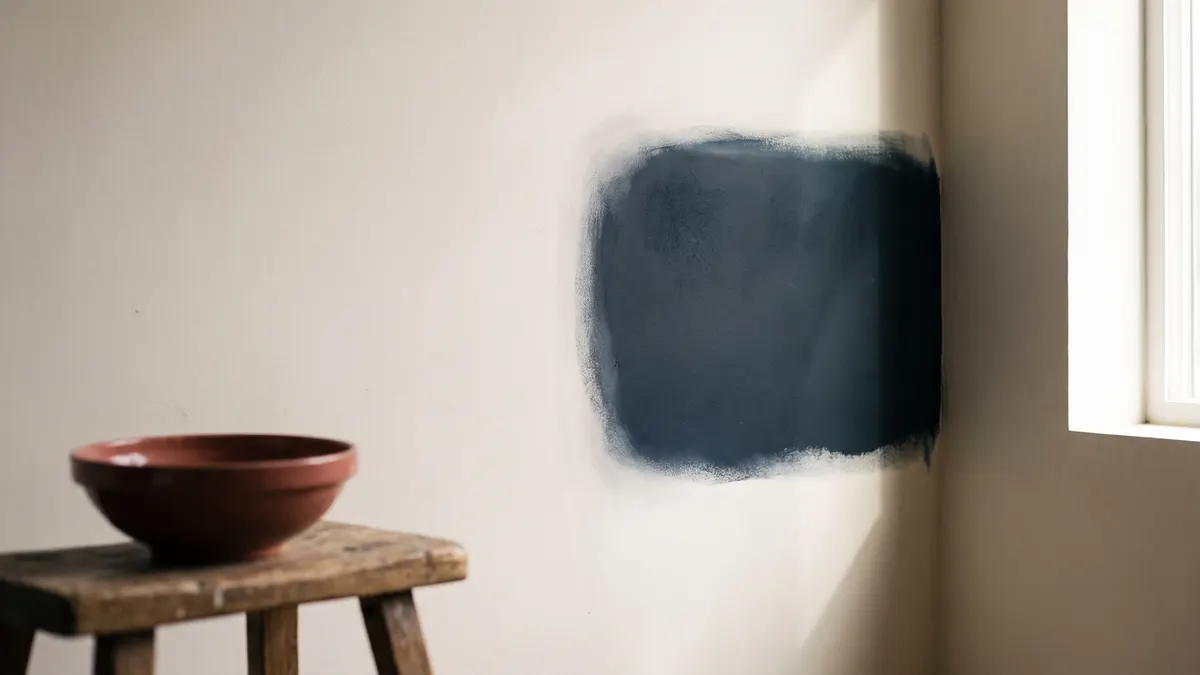
A remodel looks like it belongs when the seams between new and old work disappear, and that comes down to matching four things: wall and ceiling texture (knockdown, orange peel or popcorn matched by hand, then checked in raking light), paint (repainted corner to corner, because fresh paint rarely matches aged paint at a seam), trim profiles (often discontinued on older houses, so a whole run gets replaced rather than patched), and flooring transitions (where new meets old at a height, not just a color). The blend work is the part cheap jobs skip, and it is exactly what keeps new work from reading as added-on.
Planning a project like this in west metro Atlanta? Get a free written estimate.
The tell is always where new meets old
A remodel that looks bolted-on rarely fails because the new work is bad. It fails at the seams — the line where the new wall meets the old one, where new flooring meets the hallway, where a replaced piece of trim sits next to a twenty-year-old original. That transition is where the eye goes, and it is where the craft actually lives.
This matters most on the kind of partial remodel most homeowners do: one room, one addition, one updated bath in an older house. The goal is not just a good-looking new room but a new room that reads as though it was always part of the house. Everything below is about making those seams disappear instead of advertising themselves.
Matching wall and ceiling texture
Texture is where most patch-and-blend work shows, because a repair can be perfectly flat and sound and still read as a repair from across the room if the texture is wrong. Knockdown, orange peel and popcorn each have to be matched to the existing wall or ceiling by hand, not left as a smooth slick in a textured field.
Two practical notes decide whether the match holds. First, every blended area is spot-primed so it does not flash a different sheen under the paint — an unprimed patch telegraphs even when the texture is right. Second, the work is checked with a light held low and to the side, which throws shadows that reveal ridges and texture mismatches the overhead light hides. On ceilings, one caution matters: popcorn texture that may predate the mid-1980s should be tested for asbestos before anyone disturbs it, rather than scraped or matched blind.
Paint rarely matches at a seam
Even with the exact color on file, fresh paint does not blend invisibly into a wall that has aged on the house for years. Light, cleaning and time shift an existing coat, so a dab of touch-up or a new patch painted only in its own footprint shows as a slightly different shade or sheen next to the old surface around it.
The fix is not a better color match; it is painting the whole plane. A blended wall gets repainted corner to corner so the transition lands at a natural break — an inside corner, a trim line — rather than in the open field where the eye catches it. Trying to float a repaint in the middle of an aged wall is the most common reason good patch work still looks like a repair.
Trim and the discontinued-profile problem
Trim is a quiet source of mismatch, because profiles get discontinued. The exact casing, base or crown on a late-80s or 90s house is often no longer stocked, so a single replaced piece sits a little proud or a little flat next to its neighbors and the difference reads even after it is painted.
When the existing profile cannot be matched, the honest move is usually to run a whole wall or a whole room's trim in a current profile so the change lands at a corner rather than mid-run, where a mismatch is obvious. It costs more than swapping one stick, and it is the difference between trim that disappears and trim that announces exactly where the remodel started and stopped.
Floors meet at a height, not just a color
New flooring that abuts old flooring is the seam people plan for by color and get wrong by height. Before anything is ordered, the height of the new floor against every adjoining room has to be checked, because two floors that look level can sit a quarter inch apart and leave a trip edge or an ugly ramped threshold at the doorway.
Getting the transition right means handling it as a construction detail, not a trim-store afterthought: thresholds and transition pieces cut so there is no trip edge, doors undercut so they still swing over the new height, and stair nosings matched where a run of flooring meets a stair. If you are extending or refinishing existing hardwood, matching the species, the board width and the finish sheen is what lets the new boards read as part of the original floor rather than a repair.
- Check the new floor's height against every adjoining room before ordering, not after it is down.
- Cut thresholds and transitions so there is no trip edge, and undercut doors so they still clear the floor.
- Match species, board width and finish sheen when extending or refinishing existing hardwood.
- Land the change at a doorway or natural break rather than mid-room where the eye catches it.
The blend costs a little more and shows forever
Everything here — the hand-matched texture, the corner-to-corner repaint, the full run of trim, the carefully cut floor transition — takes more time and skill than the quick version, and it is the first thing a cheap quote leaves out. It also decides whether your finished remodel reads as part of the house or as a project done to it.
That blend work is the part that shows for as long as you own the home, which is why we push to do it right even when a tighter quote would leave it out.
Questions we get asked
- Why does my drywall patch still show after it was painted?
- Almost always because of the texture or the paint, not the patch itself. A flat, sound patch reads as a repair if the knockdown, orange peel or popcorn was not matched by hand, or if the wall was not repainted corner to corner so a fresh dab stands out against aged paint. Both are fixable; both are what cheap patching skips.
- Can you match textured ceilings and walls?
- Yes — knockdown, orange peel and popcorn are matched by hand to the existing surface and checked in raking light so the blend holds from normal standing distance. On a textured surface a trained eye up close may still find it, but the goal is a match you cannot pick out across the room. Popcorn that may predate the mid-1980s is tested for asbestos before it is disturbed.
- Will new paint match my old wall color exactly?
- The color can be matched closely, but fresh paint will not blend invisibly into a wall that has aged for years, because light and time shift the old coat. The reliable fix is painting the whole wall corner to corner so the transition lands at a natural break, rather than floating a touch-up in the middle of an aged surface.
- Can you match my trim if the profile is discontinued?
- Often the exact profile on an older house is no longer made, so a single replacement piece will not sit flush with its neighbors. When that happens, running a whole wall or room in a current profile — so the change falls at a corner, not mid-run — blends far better than forcing one mismatched stick into the middle of existing trim.
- How do you join new flooring to the existing floor?
- By treating it as a height detail first. We check the new floor's height against each adjoining room, then cut thresholds and transitions so there is no trip edge and undercut the doors so they still swing. When extending hardwood, matching the species, board width and finish sheen is what makes the new floor read as part of the old one.
Reviewed 2026-10-09 by Dan James, WS Painting & Remodeling LLC.