
What changes your home's look most, dollar for dollar
The street reads a house in an order, and spending where attention lands beats spending where the square footage is. Here is the ranking.
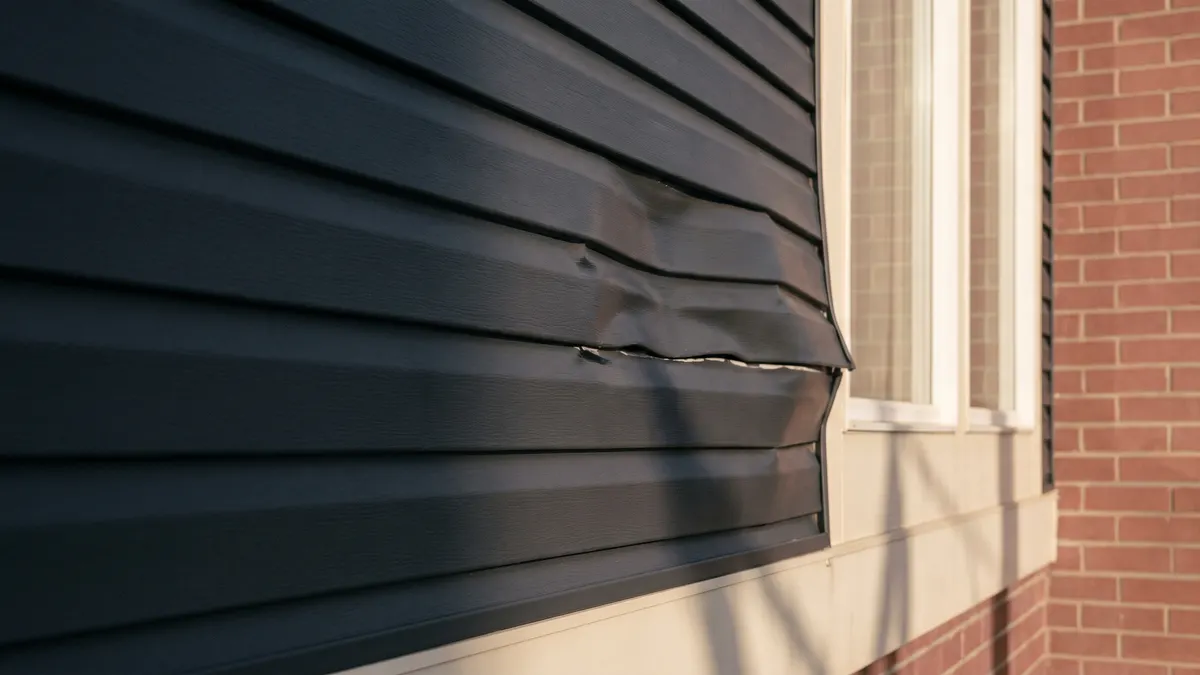
Dollar for dollar, the exterior changes that move the needle most are concentrated where the eye lands. The street reads the front entry first, the garage door second, and the broad walls last, so a painted front door in the right color, shutters that are either done properly or taken down, a garage door that looks deliberate rather than builder-default, and crisp trim against the body do more for how a house reads than an expensive change to a surface no one focuses on. Spend where attention goes, not where the square footage is.
Planning exterior painting in west metro Atlanta? Get a free written estimate.
The street reads a house in an order
When someone pulls up to a house, their eye does not weigh every square foot equally. It goes to the entry first, because that is where a person expects to arrive. It catches the garage door next, because on most suburban houses that is the single largest flat element facing the street. The broad walls and the roofline register last, as background. Knowing that order is what lets a small budget change the first impression instead of disappearing into it.
This is why the biggest surface is rarely the best place to spend a limited dollar. You can put real money into a wall color no one focuses on, or a smaller amount into the three or four spots the eye actually lands on, and the second choice reads as a bigger change from the curb. Impact per dollar is about matching the spend to where attention already goes.
The front door: the best return on a quart of paint
Nothing cheap changes a house as much as the front door. It sits at eye level, framed by the entry, and it is the one exterior element seen up close while a visitor waits. A color that is deliberate, and that works against the brick or siding rather than fighting it, can pull a whole facade together for the price of a quart of exterior paint and an afternoon.
The pieces around the door matter almost as much and cost almost nothing: the exterior light fixtures, the house numbers, the kick plate, the hardware. Dated brass and a yellowed plastic fixture undercut a fresh door; clean, matching metals finish it. If the door itself is sound and only looks tired, refinishing it gets most of the effect for a fraction of replacing it.
The garage door: the overlooked bulk
On a typical west-metro subdivision house, the garage door faces the street and takes up more of the front than anything else, yet it is usually the most ignored. A builder-default door in a color that does not relate to the house pulls the eye for the wrong reason. Getting it to read as deliberate, usually by painting it to recede into the body color, removes the single biggest distraction on many facades.
Painting a garage door is possible and inexpensive next to replacing it, provided the surface is prepped for the material it is made of. The goal is usually not to feature the garage but to quiet it, so the eye travels past it to the entry instead of stopping on it.
If the door is being replaced anyway, the same logic applies to the new one: a simple panel that matches the body reads calmer than a busy carriage-style door with decorative hardware bolted on, which is itself a look that dates. Let the entry be the feature and keep the garage quiet.
Shutters: do them right or take them down
Shutters are where builder houses most often go wrong, and fixing them is cheap. The common mistake is shutters too narrow for the windows they flank; real shutters would cover the opening if they closed, and the eye reads the wrong proportion even when it cannot name it. A set that is correctly sized and painted a considered color adds order to a facade.
The honest alternative is to remove them. A house that was never really designed for shutters often looks cleaner without the undersized ones it came with than with them. Taking them down, patching the holes, and painting is a weekend job that can do more than adding anything.
If you keep them, color is the lever. Shutters painted the same as the body disappear; shutters a few steps darker than the body, or picking up the door color, read as deliberate. What rarely works is a third unrelated color that turns the front into a patchwork.
Trim contrast and the small metals
The relationship between the body color and the trim does quiet, constant work. Trim that is crisp against the body reads as cared-for and defines the windows, the corners, and the roofline; trim that has faded to nearly the body color lets the whole house go flat. Repainting the trim alone, where the body is still sound, is one of the higher-return moves available.
The smallest metals finish the picture for the least money. House numbers that are legible and current, a mailbox that is not rusting, a porch light that matches the door hardware, each is minor on its own, and together they are the difference between a house that looks tended and one that looks left alone. These are the last things to spend on and the first things a visitor's eye confirms.
The trap with the small metals is mixing eras and finishes. A sleek black fixture beside an aged-brass house number and a chrome kick plate reads as three different decisions; matching the finishes across the door furniture, the light, and the numbers is free and does most of the work of looking considered.
What to concentrate on when the budget is small
If the money is tight, skip the broad-wall spend and the big replacements until a later year, and do not spread a small budget thin across everything. Concentrate it: the door and its metals, the garage door, the trim, and whichever of the shutters-or-remove calls applies. Those four moves, done well, change the curb read more than the same money smeared across the whole exterior.
The one thing not to cut is prep. A door or garage door painted without cleaning and priming the surface it needs will peel within a season, and then the cheap win becomes a repeat job. Cheap and lasting both come from doing a small area properly, not a large area quickly.
- Highest return: the front door color plus clean light fixtures, numbers, and hardware.
- Next: quieting the garage door so it stops pulling the eye.
- Then: correctly sized shutters, or removing undersized ones entirely.
- Always: crisp trim against the body, and prep before paint on every surface.
Questions we get asked
- What color should I paint my front door?
- There is no single right color; the right one works against the things you are not changing. Hold your options against the brick or siding and the roof in real daylight, and pick the one that relates to them rather than clashing. A deliberate, slightly saturated color usually reads better than a timid one, because the door is small enough to carry it.
- Can you really just paint a garage door?
- Yes, as long as the surface is prepped for what the door is made of. Steel, aluminum, and wood each need the right cleaning and primer. Painting it to recede into the body color is often the cheapest way to calm a busy-looking front, since the garage door is usually the largest element facing the street.
- Should I paint my shutters or take them down?
- If they are correctly sized for the windows and suit the house, repaint them a considered color. If they are the undersized builder shutters that do not cover the window they flank, the house often looks better with them removed, the holes patched, and the wall painted clean.
- Do house numbers and light fixtures actually matter?
- More than their cost suggests. They sit exactly where a visitor's eye confirms its first impression, so dated or mismatched ones quietly undercut everything around them, and clean matching ones finish the entry. They are among the cheapest items on the list and among the most noticeable.
- How much of this can I do myself?
- Most of it, if you prep properly. The front door, numbers, fixtures, and shutters are reasonable weekend jobs. The garage door and any trim at height are where many people decide the prep and the ladder work are worth handing off, since a rushed surface prep is what makes cheap paint peel early.
Reviewed 2026-10-09 by Dan James, WS Painting & Remodeling LLC.