
Cleaning your house after a remodel: where the dust gets in
The build is done but the dust is not. Here is how to get a remodeled house actually liveable again without harming the new finishes.
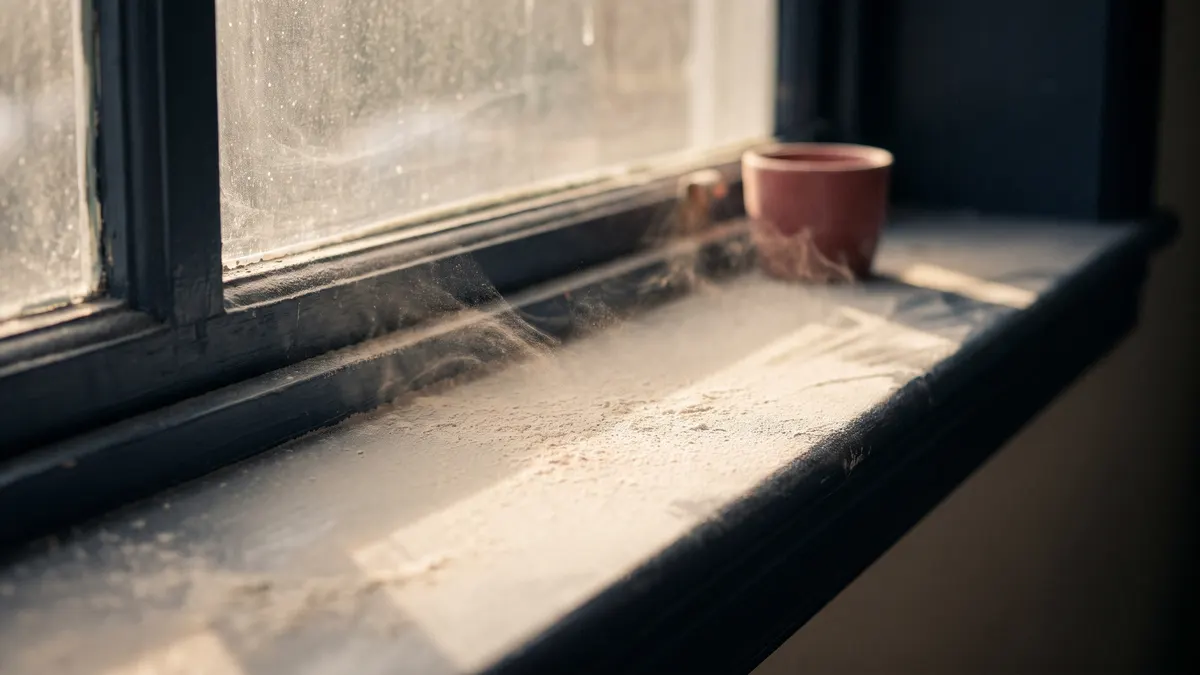
Clean a house after a remodel from the top down and dry before wet: knock fine dust off ceilings, trim and cabinet tops first, then vacuum, then damp-wipe. The dust that matters is the dust you cannot see — it rides the air into every room and into the HVAC, so change the filter and wipe the return grilles too. Go gentle on anything new: fresh paint is still curing for days and new flooring has its own cleaning rules, so skip harsh cleaners and standing water until those finishes have had time.
Planning a project like this in west metro Atlanta? Get a free written estimate.
Why remodeling dust is its own kind of mess
Ordinary house dust stays roughly where it lands. Construction dust does not. Sanding drywall joints, cutting tile and trim, and pulling up old flooring throw a fine powder into the air that drifts through doorways, settles on top of everything, and keeps resettling for days after the tools are gone. A room two doors down from the work can end up with a gray film on the picture frames even though nobody worked in it.
Drywall dust is the worst offender because it is so fine and so light. It stays airborne long after the sanding stops, and it finds the smallest gaps — behind closed doors, inside drawers, on the tops of door casings you would never think to check. That is why a quick wipe of the work area a day after the crew leaves is never the end of it; more has settled overnight.
So wiping down the rooms that were actually remodeled is only half the job. The other half is the travel: the dust that found its way onto high ledges, into the heating and cooling system, and into the parts of the house you did not think to protect. Cleaning in the wrong order — wet rag first, high surfaces last — just moves that film around and makes you clean the same spot twice.
Work top to bottom, dry before wet
Gravity decides the order. Start high and work down, because anything you knock loose from a ceiling fan or the top of a door frame is going to land on whatever is below it. Clean the floors last, once nothing above them is still shedding dust.
Dry before wet matters just as much. Fine drywall dust turns to a stubborn paste the moment it meets a damp cloth, so lift it off first with a vacuum or a dry microfiber cloth, then follow with a damp wipe to get what is left. A vacuum with a brush attachment and a real filter beats a broom, which mostly launches the dust back into the air you just cleared.
Plan on more than one pass. Because the dust keeps resettling for a few days, the room you cleaned this morning will have a thin new film by tomorrow. That is normal, not a sign you did it wrong — give it a second and sometimes a third light pass over the first week rather than trying to get it all at once.
- Ceiling fans, light fixtures, vents and the tops of cabinets, doors and trim first.
- Then walls, shelves, countertops and furniture, working downward.
- Vacuum soft surfaces and corners before any damp cleaning.
- Floors last, with the method the flooring maker allows — not a one-size cleaner.
- Expect two or three passes over the first week as airborne dust keeps settling.
Protect the new finishes while you clean
The reason post-remodel cleaning is not just regular cleaning is that the surfaces are new and still settling. Paint is dry to the touch in hours but keeps curing for days, and in Georgia humidity that takes longer than the can suggests. Scrubbing a fresh wall or washing it too soon can burnish or mark it — give new paint a couple of weeks before you wash it, and just dust it gently until then.
New flooring has its own rules, and they are not interchangeable. Hardwood, luxury vinyl plank, tile and engineered wood each tolerate different amounts of water and different cleaners, and the fastest way to ruin a brand-new floor is to flood it or hit it with something harsh. When in doubt, use less water, a pH-neutral cleaner, and whatever the manufacturer specifies. Caulk and grout also need their full cure before they get wet-cleaned, so hold off on scrubbing a new shower for the time your installer tells you.
The same restraint applies to new trim, cabinets and fixtures. A fresh-painted baseboard scuffs easily for the first while, and a brand-new faucet or hardware finish does not need an abrasive cleaner that could dull it. Soft cloths and gentle products protect the work you just paid for.
The places almost everyone misses
Most of the complaints about 'dust that keeps coming back' trace to a handful of spots that get skipped on the first pass. The heating and cooling system is the big one: it pulled construction dust in through the returns the whole time the crew was working, and it will keep recirculating it until the filter is changed and the grilles are wiped. New cabinets and drawers collect a surprising amount of fine dust inside, so clean them out before the dishes and clothes go back.
This is also the natural moment to wipe down the hidden ledges that normal cleaning ignores, because the house is already emptier than usual and you can reach them. Doing it now, before everything moves back in, is far easier than chasing it room by room later.
- Change the HVAC filter, and wipe the return and supply grilles.
- Vacuum and wipe the inside of every new cabinet and drawer before loading them.
- Window tracks, sills and the top edge of casings, where grit collects.
- Light fixtures, switch plates, outlet covers and the tops of door frames.
- Baseboards and the floor edge behind where furniture will sit.
'Broom clean' is not move-back-in clean
It helps to know what a contractor's final cleanup usually covers so you are not surprised by the gap. A good crew hauls off debris, vacuums, wipes down the main surfaces and leaves the space tidy — what the trades call broom clean. That is real work and it matters, but it is not the same as the detailed, every-ledge clean that makes a house feel like yours again. The fine film on high surfaces and the dust inside the ductwork are typically yours to finish.
If you would rather the finished space be handed over spotless rather than broom clean, say so before the job wraps. A detailed final clean can often be arranged, and it is a fair thing to ask about up front — far easier to agree on in advance than to negotiate after the crew has packed up and moved on.
Walk it in daylight before the furniture goes back
The last step is a slow walk through every finished room in daylight, before you move everything back in. An empty room under natural light shows the things a furnished room hides: a missed caulk line, a bit of overspray, a trim joint that wants another pass, a scuff on new paint. Note them while the floor is clear and the access is easy.
This is the honest end of the project, not the cleaning. A short punch list of small touch-ups is normal on any remodel, and every one of them is far simpler to fix now — before the couch is against the wall and the rug is down — than it will be in a month. Hand that list to your contractor while the job is fresh, and keep it to things that are genuinely unfinished rather than the normal settling a house does in its first weeks.
Questions we get asked
- How long will dust keep showing up after a remodel?
- A few days at least, and longer if the HVAC filter was not changed. The system recirculates whatever it pulled in during the work until you swap the filter and wipe the grilles, so that one step does more than any amount of surface wiping. Expect to clean in two or three light passes rather than one.
- Should I change the HVAC filter even if the crew covered the vents?
- Yes. Covers help, but fine dust still reaches the returns, and the filter catches far more than you would guess. Change it after the work is done, and check it again sooner than usual for the next cycle or two.
- Can I wash the freshly painted walls to get the dust off?
- Not right away. Paint keeps curing for days, and in humidity longer still. Dust new walls gently with a dry or barely damp cloth, and wait about two weeks before any real washing so you do not mark the finish.
- Do remodeling crews clean up, or is that on me?
- Most leave the space broom clean — debris hauled off, surfaces wiped, floors vacuumed. The detailed clean of high ledges, cabinet interiors and ductwork is usually the homeowner's. If you want it handed over spotless, arrange that before the job ends.
- What is the best way to handle air quality after construction?
- Ventilate when the weather allows — open windows and moving air clear fine particles faster than a closed-up house does — change the filter, and give the dust that settled time to be cleaned up rather than kicked back into the air with a broom.
Reviewed 2026-10-09 by Dan James, WS Painting & Remodeling LLC.