
How to vet an interior remodeling contractor
You find the right remodeler in the paperwork and the references, not the pitch: called references, a detailed contract, milestone payments and a change-order clause.
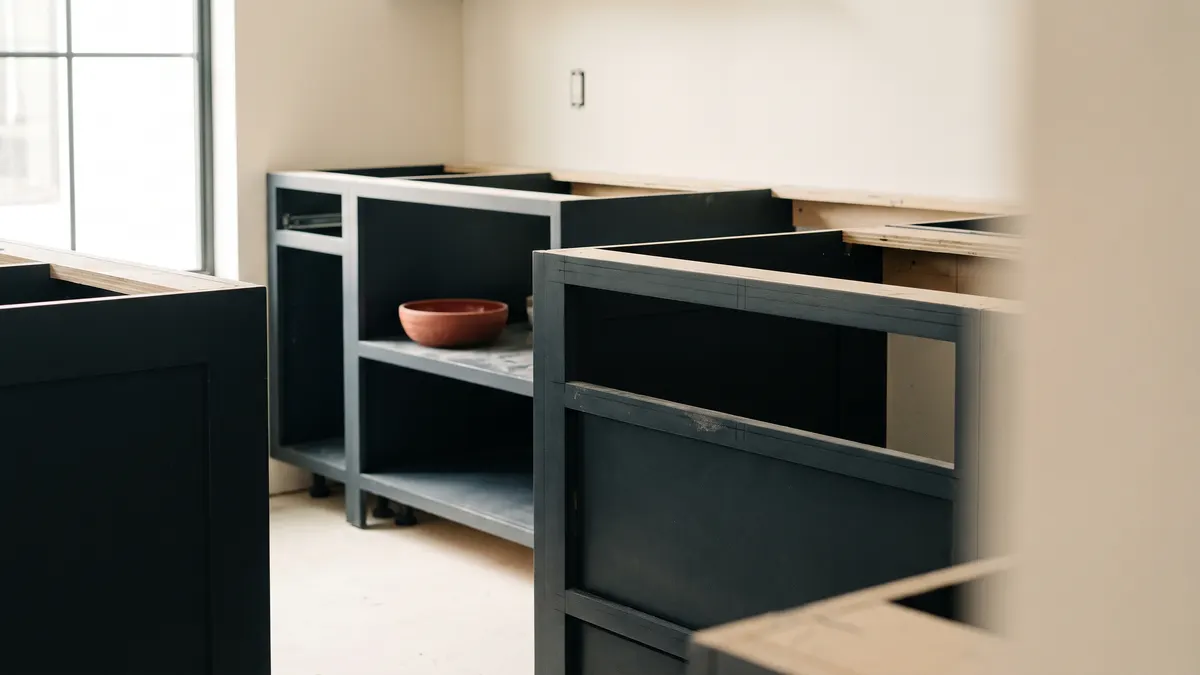
You find the right remodeler less from the sales pitch than from the paperwork and the references. Ask for three recent clients with projects like yours and actually call them. Insist on a written contract that names the scope in detail, ties payments to milestones rather than a big deposit up front, and includes a change-order clause that puts any added work in writing with a price before it happens. The red flags are consistent across bad experiences: pressure to decide today, a demand for a large cash deposit, no written contract, and a price far below everyone else's.
Planning a project like this in west metro Atlanta? Get a free written estimate.
References you actually call
A remodel is a bigger commitment than a paint job, with more trades, more money and more weeks of your house being torn up, so the vetting has to be deeper. The most useful thing you can do costs nothing: ask for three recent clients with similar projects, a kitchen if you are remodeling a kitchen, a bath if it is a bath, and call them. Ask what went wrong, not just what went right, because every real project hits something, and what matters is how the contractor handled it.
Good questions are specific. Did the schedule hold, and if it slipped, were you told why? What surprises came up once the walls were open, and how were they priced? Would you hire them again, and is there anything you would do differently? A contractor who hesitates to give references, or offers only one carefully chosen name, is telling you something worth hearing.
A written contract that names the scope
Everything you agree to should be in writing before work starts, and the contract should be specific enough that a stranger could read it and know what is included. That means the scope spelled out room by room, the materials and selections named or given an allowance, a timeline with a start and a rough finish, and a clear statement of who is responsible for any permits and inspections the work calls for.
A kitchen or bath remodel runs in a sequence: demolition, rough-in plumbing and electrical, any required inspections, drywall and paint, cabinets, counters templated after the cabinets are set, then tile and fixtures. A contract that reflects that order, rather than a vague lump sum, is the sign of a contractor who has actually planned your job instead of promising to figure it out as they go.
The change-order clause is where projects go wrong
The single clause that protects you most is the one covering changes. Remodels uncover things no one could see through a wall: water damage under an old sink, dated wiring, a subfloor that is not level. Dealing with them costs money that was not in the original price, and that part is normal. What is not normal is finding out about it on the final invoice.
A fair change-order clause says that any work beyond the written scope is priced and approved by you in writing before it is done. That keeps you in control of the budget and removes the temptation to treat surprises as a blank check. Before you sign, ask the contractor to walk you through exactly how a change order works on their jobs. The clarity of that answer tells you how the hard moments will go.
Payments tied to the work, not the calendar
How a contractor structures payments reveals a lot. Reasonable deposits cover scheduling and the first materials; they do not hand over a large share of the total before anyone lifts a tool. The healthier arrangement ties payments to milestones, a portion when demolition and rough-in are done, another when cabinets are set, and so on, so the money tracks the progress rather than running ahead of it.
Never pay in full before the work is finished, and make the final payment contingent on a walkthrough and a punch list of small items completed. A contractor who insists on most of the money up front, especially in cash, is asking you to carry all the risk on a project where the risk is exactly what you are trying to manage.
Insurance and a real business behind the name
Confirm, briefly but firmly, that there is a real, insured business behind the person in your kitchen. You want to see proof of general liability and workers' compensation coverage, and to know the company is a registered business you can look up rather than a name on a truck. For a remodel especially, where several workers may be in your home for weeks, uninsured labor is a risk that lands on you if someone is hurt.
Experience with homes like yours matters too. Much of the west-metro housing stock from the 1980s and 1990s is now reaching its second remodel, and a contractor who has worked on those houses knows where the surprises tend to hide. We have been remodeling homes across the area since 2004, and the value of that is less about the count of years than about having already met the problems your house is likely to spring.
- Walk away from pressure to sign today, or a price that is only good right now.
- Walk away from a demand for a large cash deposit, or payment mostly up front.
- Walk away from a contractor who will not put the scope and the terms in writing.
- Be cautious of a bid far below every other one, because it usually hides a smaller scope you have not spotted yet.
Questions we get asked
- How many references should I ask a remodeler for?
- Three recent clients with projects similar to yours, and call at least one or two. Ask about the surprises and how they were handled, not just whether the client was happy, because the handling of problems is what separates contractors.
- What belongs in a remodeling contract?
- The detailed scope, the materials and allowances, a timeline, a payment schedule tied to milestones, a change-order clause, and a workmanship warranty. A contract that leaves any of these vague leaves you carrying the uncertainty.
- What does a fair change-order process look like?
- Any work beyond the written scope is priced and approved by you in writing before it proceeds. That way a surprise behind the wall never becomes a bill you did not agree to, and you stay in control of the budget.
- Is a large deposit normal for a remodel?
- A modest deposit is. Most of the money should follow the work through milestone payments, with the final payment after a walkthrough and punch list. A demand for most of the total up front, especially in cash, is a warning.
- What is the clearest red flag?
- Pressure to sign immediately combined with no written contract. Either one alone is a warning; together they are a reason to keep looking, however good the price sounds in the moment.
Reviewed 2026-10-09 by Dan James, WS Painting & Remodeling LLC.