
Why the same paint color looks different in each room
The direction a room faces changes the color on the wall more than the chip ever shows. Here is how light decides, and how to test for it.
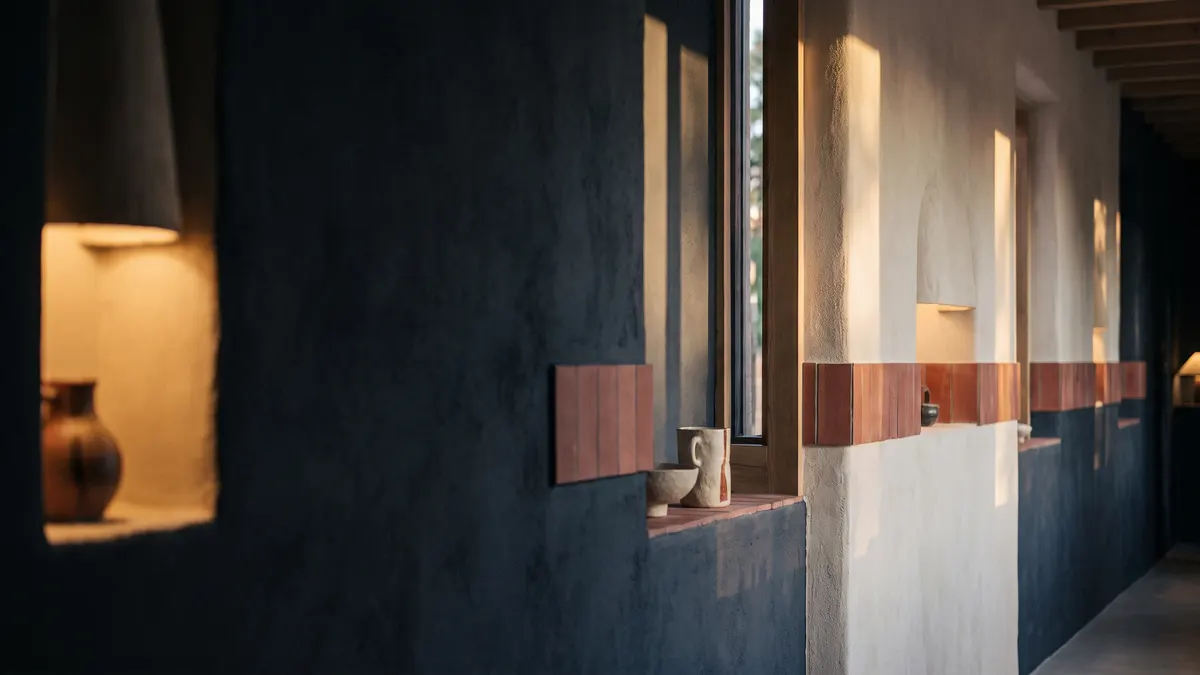
The direction a room faces changes the color on the wall more than the swatch in the store does. North-facing rooms get cool, indirect light that makes grays and blues colder and can leave a soft white looking dull; south- and west-facing rooms get strong warm light that intensifies warm colors and, across a long Georgia afternoon, can push a plain neutral noticeably orange by five o'clock. Buy a sample, paint a large patch on the actual wall, and look at it in that room in the morning and again late in the day before you commit to a gallon.
Planning interior painting in west metro Atlanta? Get a free written estimate.
The chip in the store is not telling you the truth
A paint chip is viewed under store lighting, held flat in your hand, surrounded by hundreds of other colors. None of that is your room. The color you actually get is the pigment plus the light that falls on it all day, bounced off your floor and your furniture, and that combination is different in every room of the house.
This is why a color can look perfect on the card and wrong on the wall, and why the same gallon can look like two different colors in two rooms. The useful way to think about picking interior color is to stop choosing the paint and start reading the light in the room it is going into.
North-facing rooms: cool and even
A room whose windows face north never gets direct sun. The light is soft, steady and slightly cool, which is flattering for some colors and unforgiving for others. Cool colors get cooler here — a gray can slide toward blue, and a crisp white can read a little gray and flat.
Warm colors are the friends of a north room. Soft whites with a warm base, creams, warm greiges and earthy tones hold their warmth and keep the space from feeling cold. If you want a cool color in a north room, expect it to show up a shade colder than the chip and sample it in place to be sure you still like it.
South and west rooms: strong, warm, and long in the afternoon
South-facing rooms get warm light for most of the day, and it intensifies whatever is on the wall. Deep colors come alive, but pale colors can wash out, and a color with a lot of yellow in it can tip toward looking like butter. West-facing rooms are the ones to watch closely in Georgia, because the afternoon light here is long and low and strong, and it pours in warm and golden for hours before sunset.
That west-afternoon light can take a neutral that looked balanced at noon and make it glow orange by late day. It is not a flaw in the paint — it is the room. If a west-facing room is where you spend your evenings, judge the color at that time of day, because that is the light you will live with most.
East-facing rooms change by lunchtime
An east room gets warm, golden light in the morning and then loses the sun, going cooler and flatter by the afternoon. A breakfast room or a bedroom on the east side is essentially two light conditions in one day, bright and warm early, quiet and cool later.
For rooms you use mostly in the morning, like a kitchen nook, lean into the warm early light. For a room you use in the evening, remember it will be in its cooler state by then and pick accordingly. The point is the same across every orientation: decide which part of the day matters for that room and choose for it.
How to test a color so it holds no surprises
Buy the small sample, which costs far less than repainting a room, and paint a big patch, roughly two feet square, directly on the wall where the color is going. A dab the size of your hand tells you almost nothing; a large patch in the room's own light tells you most of what you need. Put it near a corner and near a window so you see it in both the brightest and dimmest parts of the room.
Then look at it twice — once in the morning and once in the late afternoon — and once more at night under the room's own lamps. A color that you still like across all three is a color that will not surprise you after two gallons are on the wall.
- Paint a patch at least two feet square, not a small dab.
- Put it on the actual wall, in the brightest spot and a dim corner.
- Look in morning light, late-afternoon light, and at night under your own bulbs.
- Hold it against the floor and any furniture that is staying in the room.
Your light bulbs finish the color at night
Daylight is only half the story. After dark the color is whatever your bulbs make it, and bulb color varies a lot — a warm bulb pushes the whole room yellow, a cooler one keeps colors truer but can feel clinical. A color chosen entirely in daylight can look like a different color the first night you turn the lamps on.
If a room is mostly used in the evening, the bulb matters as much as the window. Keeping the bulb color consistent through the connected rooms also keeps the wall colors reading the way you chose them, rather than shifting from warm to cool as you walk from one lamp to the next.
Questions we get asked
- Why does my paint look different than the sample card?
- Because the card was seen under store light, flat in your hand. On the wall the color picks up your room's light all day, plus whatever bounces off the floor and furniture. That is normal, and it is exactly why a large sample on the actual wall is worth doing before you buy gallons.
- What colors work best in a dark, north-facing room?
- Warm colors hold up best in north light — soft warm whites, creams, warm greiges and earthy tones keep the room from feeling cold. Cool grays and stark whites tend to read colder and flatter there than they do on the chip.
- Why does my living room look orange in the late afternoon?
- If it faces west, that is the long warm afternoon light Georgia gets, and it pours in golden for hours before sunset. It intensifies any warmth in the paint. Choosing a color with less yellow in its base, and judging it at that time of day, is the fix.
- Should I test paint colors in more than one room?
- Yes, if the same color is going in rooms that face different directions, because it will not look identical in each. Sample it in the room that gets the strongest or trickiest light and make your decision there.
- Does the finish change how the color looks too?
- It does. A higher sheen reflects more light and can make a color look brighter and show the wall's flaws, while a flat finish reads softer and deeper. Sheen is its own decision, worth matching to how the room gets used as well as how you want the color to read.
Reviewed 2026-10-09 by Dan James, WS Painting & Remodeling LLC.