
How to get a room ready before the painters arrive
Clearing the room and settling a few decisions before the crew arrives is the cheapest way to shorten an interior job. What to move, what the crew handles, and the choices to lock before day one.
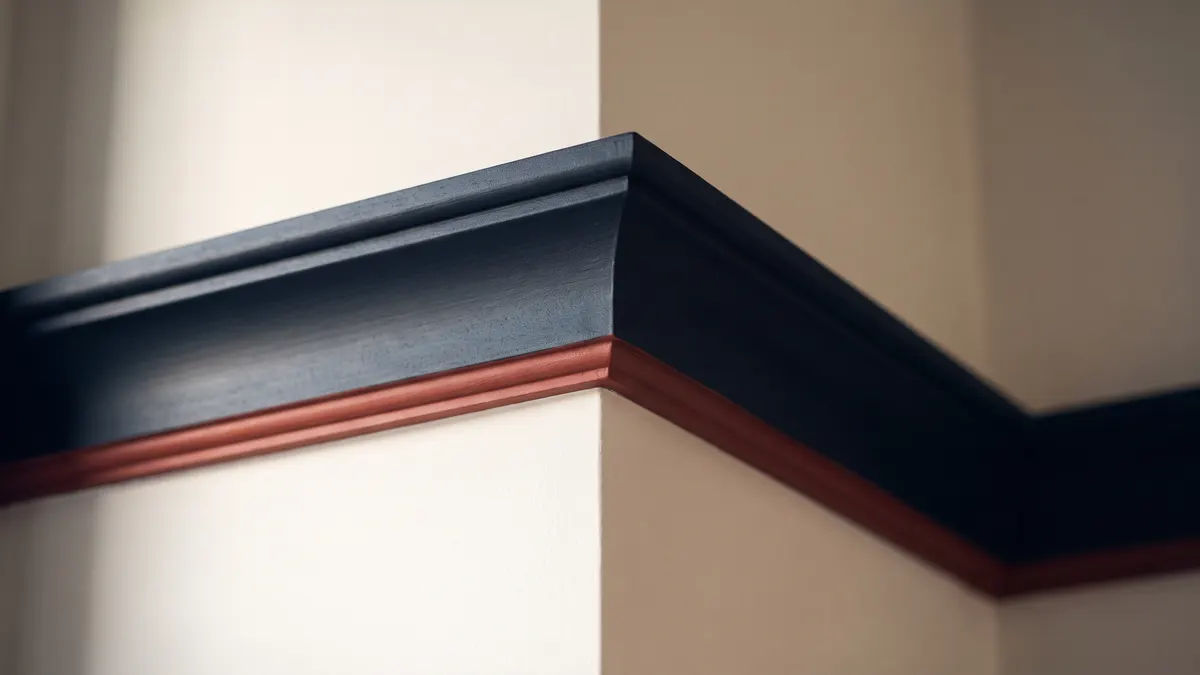
The fastest way to lower what an interior job costs is to hand the crew a cleared room. Everything you take off the walls, out of the closets and away from the baseboards is time the crew spends painting instead of moving your belongings — and you pay for those hours either way. Locking your colors and deciding whether trim is included before day one keeps the job from stalling halfway through.
Planning interior painting in west metro Atlanta? Get a free written estimate.
Why your prep is money in your pocket
A painting crew charges for its time, and a surprising amount of that time can be spent not painting — carrying your things to the middle of the room, working around a bed that could have been moved, waiting while you settle on a color. Every one of those minutes is on the clock. The single most effective thing you can do to keep an interior job short is to hand over a room that is already cleared and ready to paint.
This is a different question from whether you need to move out while the work happens — for most jobs you do not, and that is covered on its own. This is about the half day of prep you can do yourself that comes straight off the hours you are paying a crew for.
Strip the walls completely
Start with the walls themselves, because they are what gets painted and anything on them is in the way. Take down art, mirrors, shelves and anything mounted, and pull the fixings too — nails, screws, anchors and picture hooks — so the crew can fill and sand the holes rather than cut around hardware. Clear the mantel and the tops of furniture while you are at it.
- Everything off the walls: art, mirrors, clocks, floating shelves and their brackets.
- The fixings as well — nails, screws, drywall anchors and picture hooks — so holes can be filled.
- Curtains, blinds and their rods and brackets, which sit right where the wall meets ceiling and trim.
- The mantel, windowsills and the tops of tall furniture, which collect the things nobody thinks to move.
Furniture: what to move and what to leave
You do not have to empty the room to the walls, but the more floor you clear the faster the work goes. Move what you reasonably can — dining chairs, lamps, small tables, anything light — out of the room entirely rather than into its center, because a crew paints faster around an empty floor than a crowded island of furniture under plastic. The crew moves and covers the heavy pieces; that part is theirs.
- Carry out the light, movable things — chairs, lamps, side tables, plants.
- Leave the heavy furniture; the crew moves it to the center and covers it.
- Tell the crew which piece you would rather they did not move, and they will work around it.
- Take anything genuinely irreplaceable out of the room yourself, so it is never in question.
The things people forget
Beyond the obvious, a handful of items quietly slow a job down, and clearing them ahead is easy once you know to look. Wall-mounted televisions and their brackets, and the tangle of cords and devices beneath them, sit on exactly the wall that often gets the boldest color. Closets count if they are being painted — an emptied closet paints quickly, a full one not at all. And anything on or near the baseboards, where a lot of the careful cutting-in happens, is worth pulling back.
- Wall-mounted TVs, brackets and the cords and electronics beneath them.
- Closet contents, if the insides of the closets are in the scope.
- Everything along the baseboards and in the corners, where the slow cutting-in happens.
- Breakables and valuables out of the room entirely, not just pushed aside.
Decisions to lock before day one
The other thing that stalls a job is not a thing to move but a thing to decide. A crew ready to paint cannot start if the color is not final, the sheen is undecided, or no one has said whether the trim and ceilings are included. Those choices are quick to make in advance and expensive to make with a crew standing in the room.
- Final colors chosen and confirmed — ideally sampled on the actual walls beforehand.
- The finish settled for each room, since kitchens and baths usually want a more washable one.
- Whether trim, doors, baseboards and ceilings are in the job, as they are priced and timed separately.
- Any accent or feature wall agreed, so the crew cuts in and plans for it from the start.
Access, pets and parking
Last are the practical things that have nothing to do with paint but can still cost a morning. The crew needs a clear path from where they park to the rooms they are working on, somewhere to set up and cut in, and a spot to leave ladders and materials. Clearing the driveway and the route in, and deciding where they can stage, gets the day moving.
- A clear path and parking close to the entrance for loading and unloading.
- Pets kept out of the working rooms — wet trim and a curious dog end the same way every time.
- A plan for which rooms are painted when, if you need to keep part of the house usable.
- Someone reachable during the day for the quick questions that always come up.
Questions we get asked
- Do I have to empty the whole room before you paint?
- No, but the more you clear the faster and cheaper it goes. Take everything off the walls and move out what you easily can; the crew moves and covers the heavy furniture. An empty floor paints faster than a crowded one under plastic.
- Should I take down curtains and blinds?
- Yes, including the rods and brackets. The wall around and above a window is some of the most delicate cutting-in in the room, and taking the hardware down turns slow work around fabric into a clean, quick edge.
- Who takes off the outlet and switch covers?
- The crew does, as part of protecting and prepping the room — along with moving heavy furniture and covering floors. What helps most from you is clearing the walls, the fixings and the floor.
- Do I need to be home while you paint?
- Not the whole time, but it helps to be reachable, especially on the first morning to confirm colors, scope and any furniture you would rather was left alone. Whether you stay in the house during the work is a separate question, covered on its own.
- What if I can't move a heavy or valuable piece?
- Leave it and tell the crew. They move and cover heavy furniture themselves, and they would always rather be told a piece is precious or should stay put than have to guess.
Reviewed 2026-10-09 by Dan James, WS Painting & Remodeling LLC.