
Questions to ask a painter before you hire
The questions that sort one painter from another are about prep, because prep is where corners get cut and it is invisible once the paint is on.
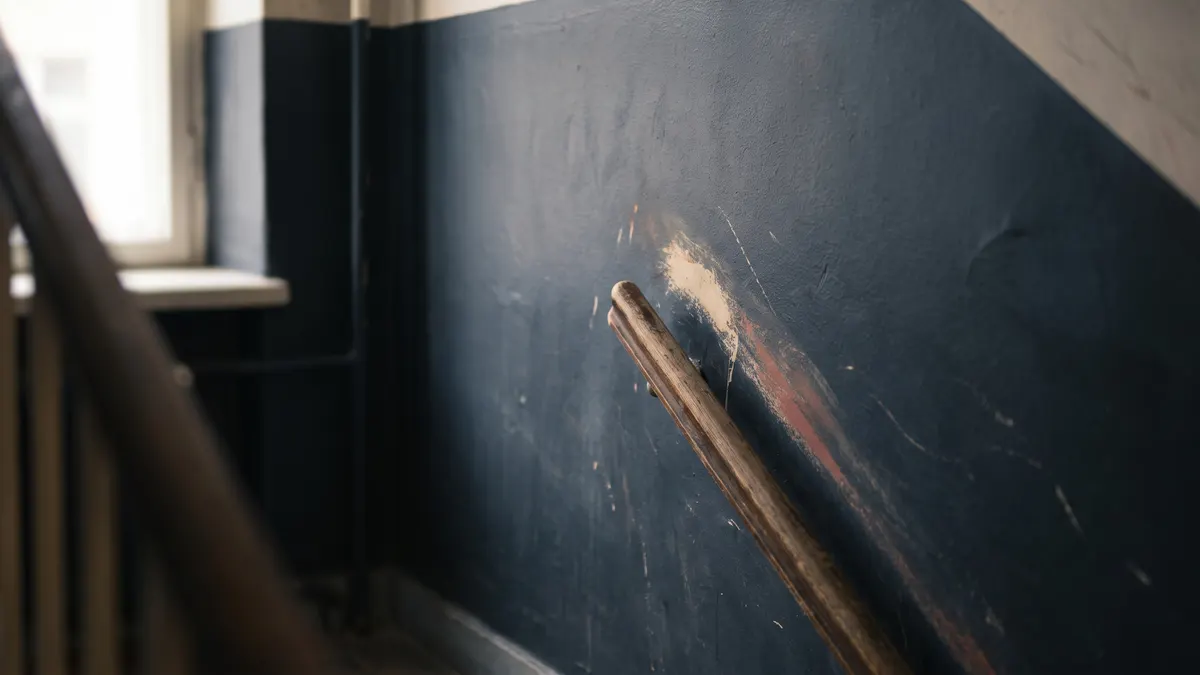
The questions that actually sort one painter from another are the ones about preparation, because prep is where corners get cut and it is invisible once the paint is on. Ask how many coats are included, and exactly what they do to the walls before painting: filling, caulking, sanding, priming repairs. Ask which product and sheen they will use, who moves and covers the furniture, and what cleanup and touch-up look like. A painter who answers each one plainly and specifically has done the work. One who waves it off with a line about handling all that is the one to be careful with.
Planning interior painting in west metro Atlanta? Get a free written estimate.
Ask what their prep actually includes
The most useful question you can ask a painter is also the least glamorous: what, specifically, do you do to the walls before you paint them? The honest answer is detailed, because interior painting is mostly preparation. You want to hear about filling nail holes and dents, patching larger damage, cutting out failed caulk at trim and tub lines and redoing it, sanding patches flush, and deglossing or scuffing glossy trim so new paint will grip.
A painter who knows local houses will mention that Georgia humidity opens up hairline joints at crown and baseboards, so those gaps are common and get re-caulked as a matter of course. Vague reassurance, a promise not to worry because they prep everything, is not an answer. The specifics are the answer, and their absence tells you just as much.
Ask how many coats, and when two are needed
Ask how many coats are included, and in what situations they would use a primer or block coat. One coat is the classic way to make a bid look cheaper, and it rarely gives an even finish, especially over a repair or a color change. Going from a dark wall to a light one usually needs a priming coat under two finish coats to cover properly, and spot-priming on patches and stains stops them flashing through as dull marks.
The answer you want is not simply two coats said by reflex, but an explanation of when and why, which shows the painter is thinking about your walls rather than reciting a package. A painter who cannot say when a primer is needed has not thought much about the surface.
Ask which product and sheen, room by room
Ask what they will actually put on the wall. A specific answer names a line and a sheen, and varies it by room: a flat or matte in bedrooms where you want to hide imperfections, and a more washable, slightly higher sheen in kitchens, baths and hallways where walls get touched and cleaned. We use Sherwin-Williams for that reason, matching the sheen to how hard the room gets used.
A promise to use good paint is not something you can compare between quotes or hold anyone to. The product matters, but more than that, a painter who can tell you precisely what they are using, and why, is a painter who is paying attention to your job rather than running a template over it.
Ask about furniture, protection and the mess
Painting is disruptive in ways people forget to ask about until it is too late. Ask who moves and covers the furniture, and whether you are expected to clear the room yourself. Ask how the floors are protected, with rosin paper or canvas drop cloths rather than a thin plastic sheet, and how they handle the dust from sanding, which is the part most people underestimate. Patching and sanding make more mess than the painting does.
Ask when they pull the tape, too. Tape removed while the paint is still slightly soft leaves a cleaner edge than tape left to dry and then peel. It is a small thing, and that is the point: the small things are where you can see whether the crew knows the craft or is simply fast.
Ask about the schedule, drying and the walkthrough
Finally, ask how long the job will take, how long they wait between coats, and what the finished job looks like. In Georgia humidity paint is dry to the touch in hours but keeps curing for days, and a painter who rushes a second coat onto a first that has not dried is building in trouble. A good answer accounts for the weather rather than ignoring it.
Ask whether you walk the finished job together. A final walkthrough in good light, with the crew lead touching up anything missed before the job is closed out, is the difference between a painter who is finished and one who is merely gone.
- What exactly do you do to prepare the walls before painting?
- How many coats are included, and when do you prime?
- Which paint line and sheen will you use in each room?
- Who moves and protects the furniture, and how do you contain the dust?
- How long will it take, and do we walk through it together at the end?
Questions we get asked
- What is the single most revealing question to ask a painter?
- What do you do to prepare the walls before painting? The level of detail in the answer tells you most of what you need to know, because prep is the work that decides whether the finish lasts and the work that is easiest to quietly skip.
- Is one coat of paint ever enough?
- On the same color over sound, clean walls, sometimes. For a color change, over repairs, or on a surface that has not been painted before, two coats, often with priming, is what gives an even and lasting finish.
- Should I ask for references, and what do I do with them?
- Yes. Ask for recent, local jobs similar to yours and actually call one or two. Ask whether the prep held up over time, whether the crew cleaned up, and whether the job finished on the schedule they promised.
- How do I make sure they actually do the prep they promised?
- Get the prep written into the scope of the quote, item by item. A promise made in conversation is hard to hold anyone to, while a written scope lets you point to exactly what was agreed if something is missed.
- What if a painter will not answer these questions specifically?
- That is itself an answer. A painter who cannot or will not describe their prep, product and process in plain detail is telling you how much attention the job will get once the deposit is paid.
Reviewed 2026-10-09 by Dan James, WS Painting & Remodeling LLC.