
Style or function: what to fix first when a room is tired
Two different problems get called dated. Telling the cosmetic one from the functional one is what stops you spending renovation money on something a brush would fix, or painting over something that needs real work.
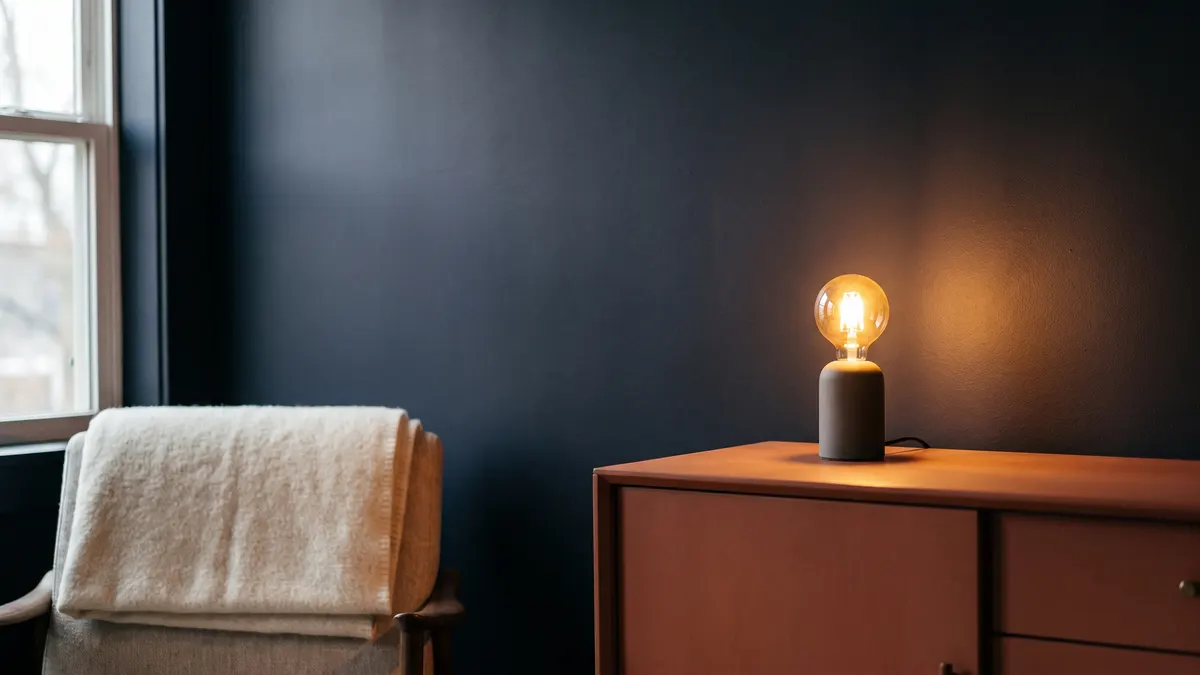
Before you spend on a room, decide whether its problem is cosmetic or functional. If it just looks tired — dated color, scuffed walls, yellowed trim — paint and finishes fix it cheaply. If it does not work — a cramped layout, no storage, poor light, or a surface that keeps failing from water — paint only buys time, and the money belongs in the thing that is actually wrong. A bathroom that looks dated gets painted; a shower that leaks gets tiled.
Planning interior painting in west metro Atlanta? Get a free written estimate.
Two different problems people call dated
When a room stops pleasing you, the complaint usually comes out the same way — it feels dated, it is tired — but underneath are two very different problems with very different price tags. One is cosmetic: the room works fine, it just looks old. The other is functional: the room does not work, and no amount of surface change fixes that. Spending well starts with being honest about which one you have.
It matters because the two are priced an order apart. A cosmetic problem is a weekend and a few gallons. A functional one is carpentry, trades and a real budget. Mistaking one for the other is the most common way to overspend on a room — or to spend on paint and still be unhappy with it.
Cosmetic problems paint solves cheaply
Most tired rooms are cosmetic. The layout is fine, the light is fine, the room does everything you need — it just wears a decade-old color over scuffed walls, with yellowed trim and a dingy ceiling. That is exactly what paint is for, and it is why a repaint reads as a bigger change than it costs.
- Dated or dark wall colors you have simply grown tired of.
- Scuffs, marks and patched-over dings that make the room look uncared for.
- Yellowed trim and a dingy ceiling that quietly age everything beneath them.
- A room that photographs fine but feels flat — usually color and light, not structure.
Functional problems paint only hides
The other kind of tired is structural, and paint cannot touch it. A kitchen with nowhere for two people to stand, a bedroom with one small window and permanent gloom, a bathroom with no storage, a living room whose furniture never fits the only wall it can go on — those are problems of layout, light and use. Fresh paint makes them look better for a while, but the room still does not work, and the frustration comes back.
The tell is that your complaint is about doing something in the room, not looking at it. There is nowhere to put anything, it is always dark, we are always in each other's way — those are functional, and the money belongs in the thing that is wrong, not on the walls around it.
Where water and wear change the answer
One functional problem has its own rule: anywhere water and heavy wear live, a hard surface usually earns its cost over paint. A shower surround, a backsplash behind a range, a mudroom floor that takes grit and spills — paint there is a losing fight, because the surface is failing from moisture and abrasion, not from looking dated. That is a genuine tile-versus-paint decision, and in wet or high-traffic zones tile is often the better spend.
It is worth separating from the rest of the diagnosis because it is the one place a functional problem is a surface. Elsewhere a hard surface is a want; in a shower it is the fix. Our tile-or-paint comparison goes through where each one wins in more depth — the short version is that water decides it.
How to tell which one you have
The quickest test is to finish this sentence: this room bothers me when I ___. If the blank is look at it, the problem is cosmetic and paint is the answer. If the blank is use it — cook in it, store things in it, move through it, read in it — the problem is functional and paint is not. Most rooms are honestly cosmetic, which is good news for the budget.
The second test is time. A cosmetic fix you are happy with stays fixed. If you repaint and the same frustration returns within weeks, you painted over a functional problem, and the real work is still waiting for you.
Fix the function first, then the finish
When a room has both problems — and plenty do — the order matters. Do the functional work first: move the wall, add the storage, fix the light, retile the wet zone. Paint last, over finished work, so the fresh coat is not scuffed, cut around or undone by the heavier job that should have gone first. Painting before the real work is how a good finish gets wrecked.
And when a room has only the cosmetic problem, which is most of the time, there is no need to talk yourself into the bigger project. Paint it, live with it, and keep the renovation budget for the room that actually needs it.
Questions we get asked
- Should I paint the room or remodel it?
- Finish this sentence: the room bothers me when I ___. If the answer is look at it, paint it — the problem is cosmetic. If the answer is use it, the problem is functional and paint will not fix it; the money belongs in layout, storage, light or the failing surface.
- Can paint fix a dark room?
- Lighter colors help a little by bouncing what light there is, but paint cannot add light a room does not get. If the room is genuinely dark, the fix is more or better light — bulbs, lamps, and if it is worth it a window — not a brighter wall color.
- Is it worth painting a room before a bigger remodel?
- Not usually. If real work is coming — new walls, floors, a retiled wet area — paint goes last, over the finished job, so the fresh coat is not scuffed or cut around. Painting first just means painting twice.
- Tile or paint in a bathroom?
- Depends where. Walls away from water get painted with a washable finish; the shower surround and anywhere that takes direct water is a tile decision, because paint fails against moisture over time. Our tile-or-paint comparison walks through where each one wins.
- How do I prioritize with a limited budget?
- Spend on the functional problems first and the finish last, and be honest that most tired rooms are cosmetic. A room that only looks dated is a paint job — keep the bigger budget for the room that genuinely does not work.
Reviewed 2026-10-09 by Dan James, WS Painting & Remodeling LLC.