
What actually changes a room, in the order worth spending
Paint first, then the cheap high-impact details, then the costly work. The order that gets a room looking renewed for the least money, and that tells you when to stop.
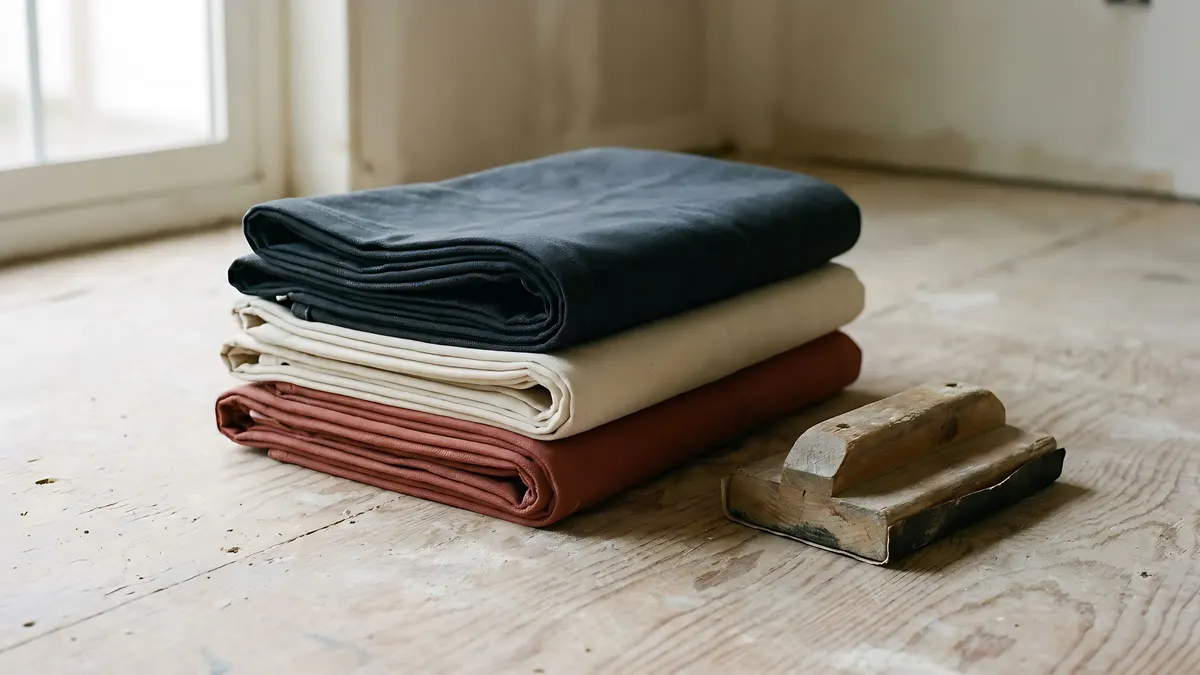
The change that does the most to a room for the least money is almost always paint, because it resets the largest surface in a day. After that the returns come from the cheap, high-impact details — fresh trim, a painted ceiling, updated doors and hardware — long before you reach big-ticket work like floors or a new layout. Spending in that order means a room reads as renewed before you have touched the expensive parts, and it tells you when to stop.
Planning interior painting in west metro Atlanta? Get a free written estimate.
Start with the largest surface for the least money
Paint covers more of what you see than anything else in a room — four walls and a ceiling — for a fraction of what any other change costs. That is why a repaint reads as a bigger change than its price suggests: it resets the color, the light bouncing around the space, and the sense of whether the room is cared for, all in a day or two. On a west-metro house where the walls have taken ten years of scuffs over a dated builder-grade beige, that first coat does most of the visible work before you have spent anything on the structure of the room.
Where people go wrong is treating paint as the finishing touch at the end of a long list. It belongs at the front, because every later decision — trim, floors, furniture — looks better against fresh walls, and because it is the cheapest way to find out whether a room needed a renovation or just a reset.
The cheap wins that come next
Once the walls are done, the next dollars go furthest on the details that frame them. Fresh trim, baseboards and door casings in a crisp finish sharpen a room more than their cost implies, especially where the old paint had yellowed or chipped. A painted ceiling lifts the whole space and is easy to overlook, because no one looks up until it is done and the room suddenly feels taller and cleaner.
- Trim, baseboards and casings repainted crisp against the new wall color.
- The ceiling, which is usually dingier than you notice until it is fresh.
- Interior doors with new handles, hinges and switch plates — small parts, outsized effect.
- Caulk lines and patched cracks redone, so everything above them reads as finished rather than tired.
Lighting changes what every color does
The cheapest change people skip is light. A color you loved on the sample can fall flat under yellowed old bulbs or a single ceiling fixture in the middle of the room. Switching to consistent, better bulbs and adding a lamp or two in the dark corners does more for how the color reads than a third coat ever would.
It is worth doing after the walls and before you decide the color was wrong. A good share of the "the paint looks off" complaints we hear turn out to be a lighting problem, and new bulbs cost a fraction of repainting a room you were happy with yesterday.
When floors are worth the step up
Floors are where the price jumps, so they earn their own decision. If the existing floor is sound and only dated — older carpet in good shape, tile that is simply not your taste — paint and the cheaper wins may carry the room far enough that the floor can wait. If the floor is worn through, stained, or the first thing your eye lands on when you walk in, it is worth the money, because no wall color distracts from a floor that has given up.
In the 1990s subdivisions across Powder Springs and the towns around it, a lot of original carpet and builder-grade flooring is reaching exactly that point now — still down, no longer doing the room any favors. That is the stage where the spend shifts from paint to floors.
The expensive end: layout and fixed elements
Past the floors sit the changes that are renovations rather than refreshes — moving a wall, opening a kitchen to a living space, replacing dated built-ins or a tired fireplace surround. These genuinely change a room, but they cost many times what everything above them does, and they are worth it only when the problem is how the room works or what it is permanently stuck with, not how it looks.
The honest test is whether paint and the cheaper wins have already been tried. A room that still does not satisfy after fresh walls, trim, light and sound floors has a structural problem, and that is the point where the big budget earns its keep. Reaching for it first is how people overspend on something a brush would have solved.
Spend in order, and stop when the room works
The value of a ranked list is not only knowing where to start but knowing where to stop. Most rooms are solved somewhere in the first three steps — paint, the framing details, and light — and never need the floor or the layout touched. Working up the list in order lets the room tell you when it is done, instead of committing to a renovation budget before the cheapest changes have had their say.
It also protects your money if you plan to sell. Fresh, well-finished rooms do the work for the least outlay, and the structural spend is the hardest to get back out of a house. Doing the small things first is rarely the wrong move; doing the big things first often is.
Questions we get asked
- What single change does the most for a room?
- Paint, in almost every case. It covers the largest surface for the least money and resets color, light and the feeling that the room is cared for in a day or two. It is also the cheapest way to learn whether the room needed a renovation or just a refresh.
- Should I paint or replace the floors first?
- Paint first. It is far cheaper, it shows you how much the room improves on its own, and fresh walls make the floor decision clearer. Replace the floor when it is worn out or the first thing your eye lands on — not before you have seen the room with new walls.
- Is repainting the trim and ceiling really worth it?
- Yes, and they are easy to skip. Yellowed trim and a dingy ceiling quietly age a room, and crisp versions of both make the wall color look intentional rather than half done. They cost little next to the effect they have.
- Can new lighting change how my paint color looks?
- A great deal. Old or mismatched bulbs can make a good color read flat or off. Before you decide the color was a mistake, change the bulbs and add a lamp to the dark corners — it is cheaper than repainting and often fixes the complaint.
- When is a room actually worth remodeling?
- When it still does not work after paint, trim, light and sound floors — a cramped layout, no storage, a wall in the wrong place. Those are the problems paint cannot solve, and the only ones that justify a renovation budget.
Reviewed 2026-10-09 by Dan James, WS Painting & Remodeling LLC.